

LOVE HANDLES
... and switches, and faucets. The mistake is choosing these things last.
Wearstlerworld,
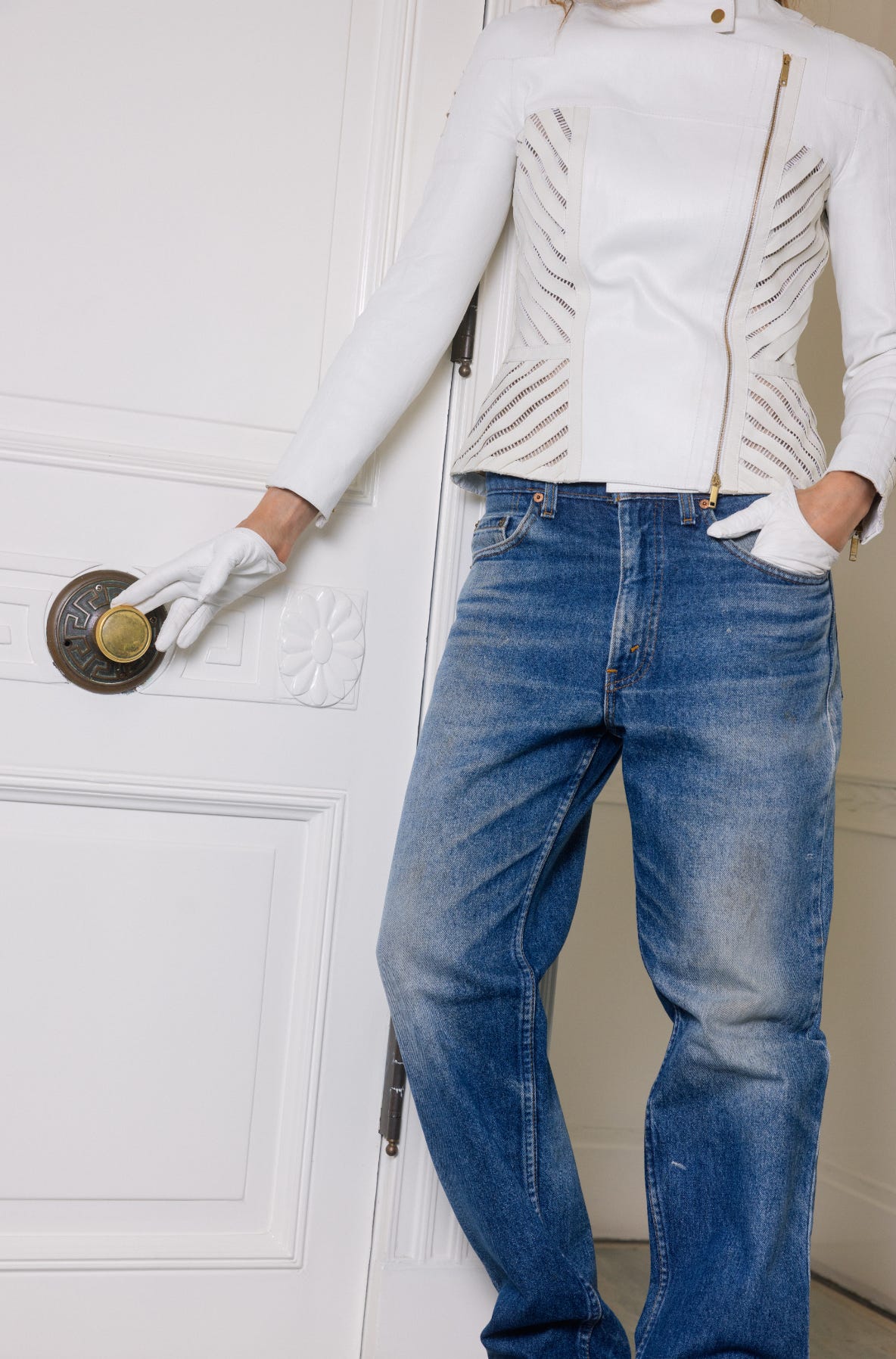
There's an intimacy to hardware that nothing else in a room has. We talk endlessly about how a room looks. We almost never talk about how it feels in the hand. But the doorknob, the pull, the faucet, the switch are the most intimate objects in a house… the things you put your whole hand on every single day, often without even looking. Call it the erotics of a doorknob: the things we touch constantly deserve far more obsession.
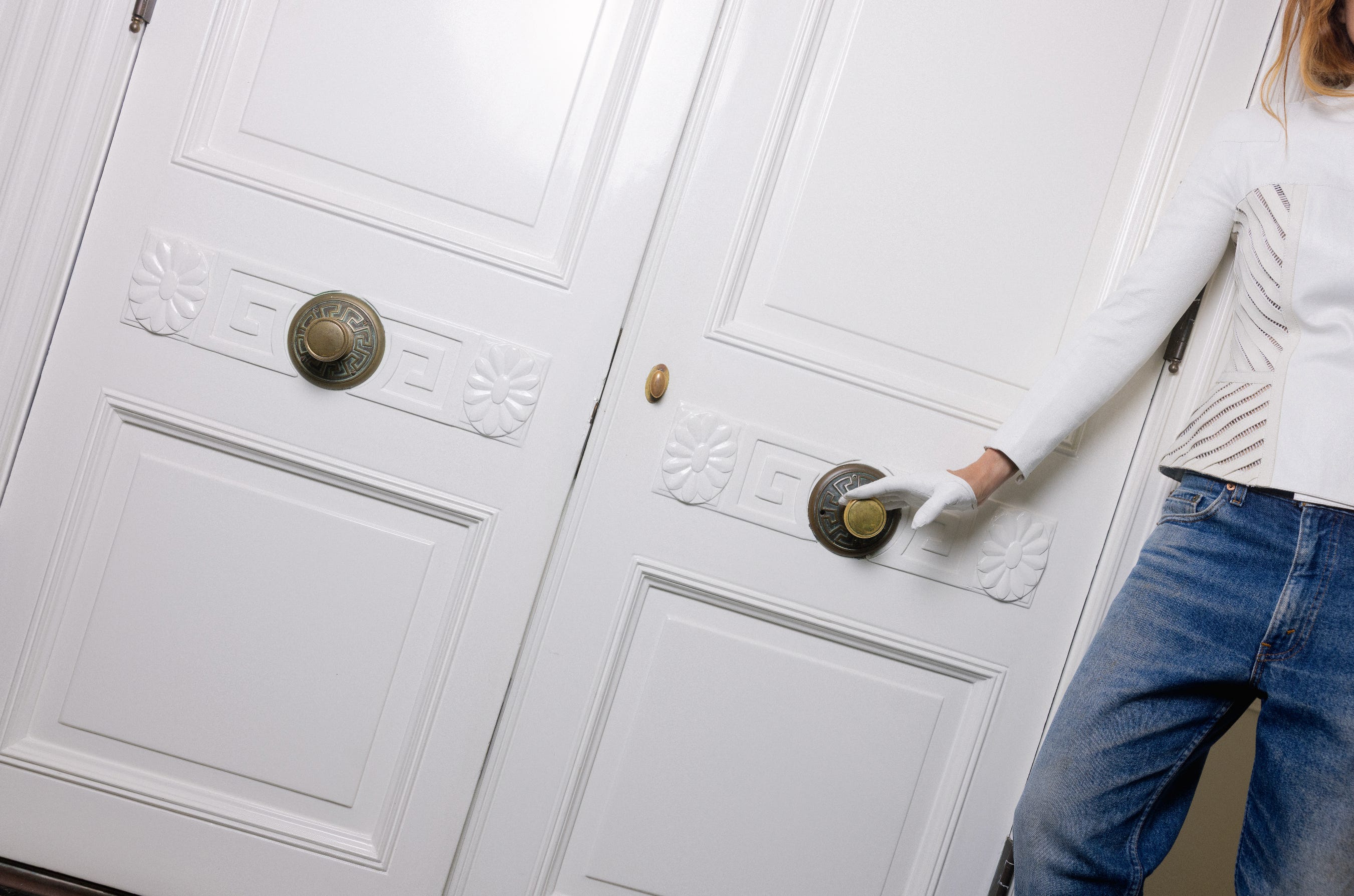
At our place on Hillcrest, the hardware is original to 1926 (when the place was built). Which means: large flanges, deep back plates, rim locks with the key still in them (the kind of thing nobody specifies anymore because it is easier not to), levers worn by a hundred years of hands. And the crémone bolts: that vertical rod-and-handle mechanism that locks a tall casement or a pair of French doors top and bottom in one turn. Completely functional but also a flamboyant gesture.
There is a whole vocabulary of these accessories, and each one adds nuance a flat modern handle never will. As much as I’ve made a lot of changes in this house, I haven’t touched any of these…
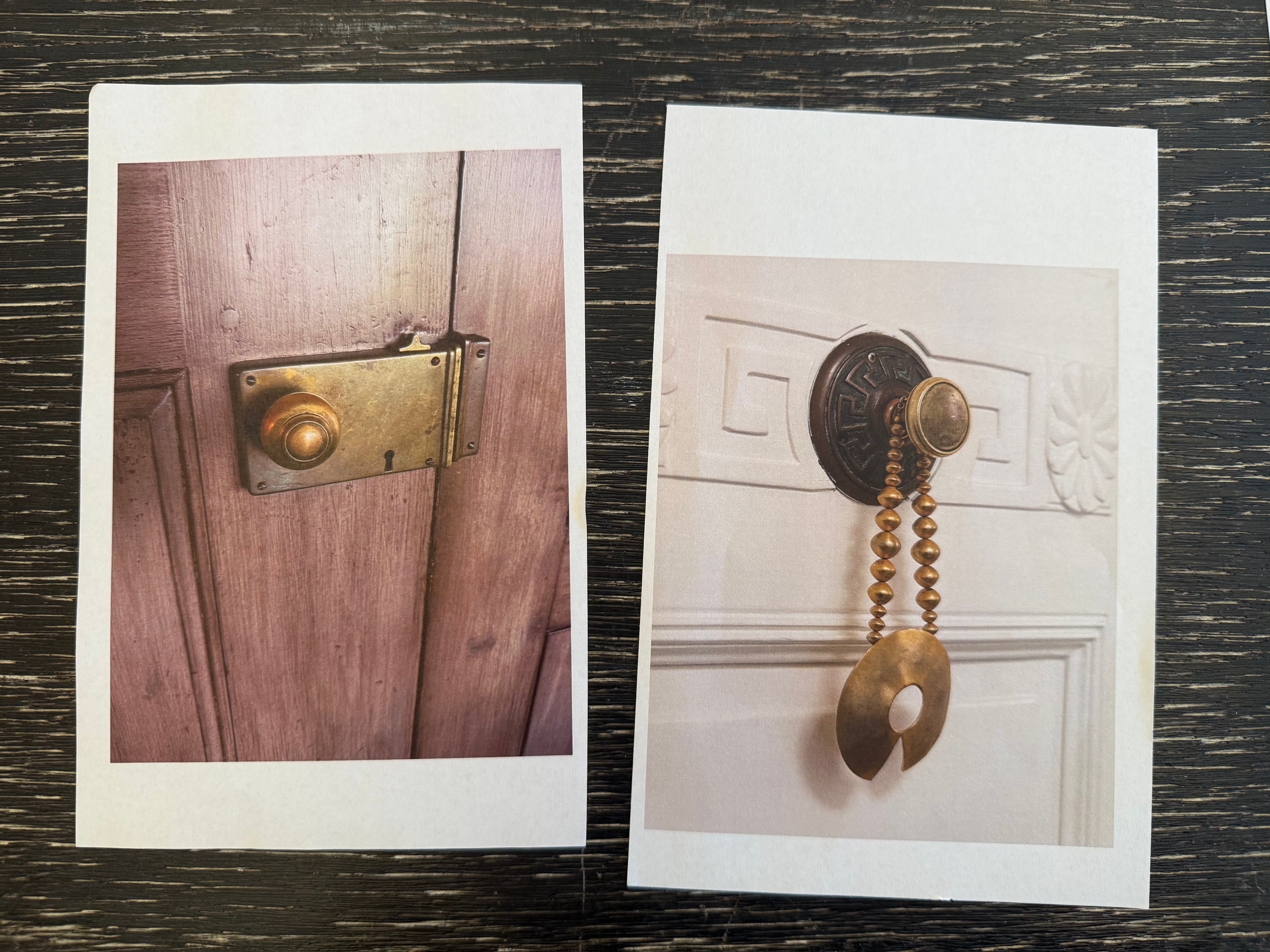
You can’t fake that weight or that patina. And it’s a reminder that the hardware is the punctuation in interiors… a philosophy I bring into every project. Architecture starts the story. The hardware finishes the sentence.
There’s a really good reason why, even though we’ve only just finalized the architecture, I am already deep into decision-making about faucets, drawer pulls, and switches for our home in Malibu.
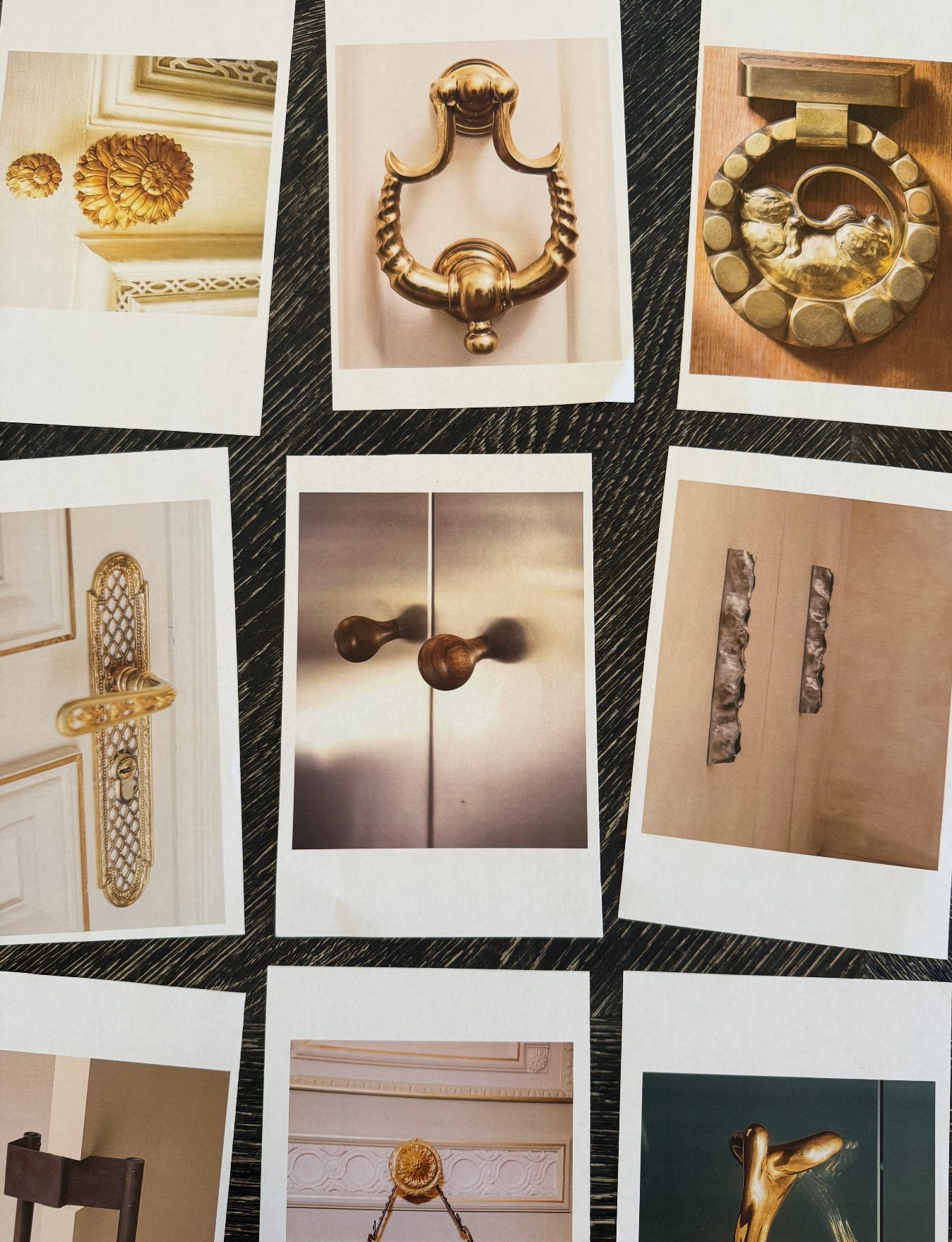
Small, simple as they are, they have the power to make or break a project, or to give tension and dynamism to a vast space. They can serve as a litmus test for whether a designer has really honed in on the details. And… much like very good, special pieces of jewelry… they are a personal obsession that I am constantly scanning for whenever I’m in flea markets, at design fairs, or when I’m in hotels or friends’ homes.
A TUG OR A TWIST
They are an important choice, and there is an insane amount of choice… weight, scale, material, of course, but also how you interact with them. A tug, a twist, a slide…
On top of all this, I think there has never been a time where the tactile, where ‘touch’ as a sense, has been more important.
I am simultaneously totally absorbed in the digital world and new technologies (which have absolutely taken my studio to the next level) as I am with the need for the hand, materiality, texture (which all also really contribute to how my studio works day to day). But, in our lives now, we need things to keep this balance… and touch is so completely grounding, giving us a sense of immediacy and presence.
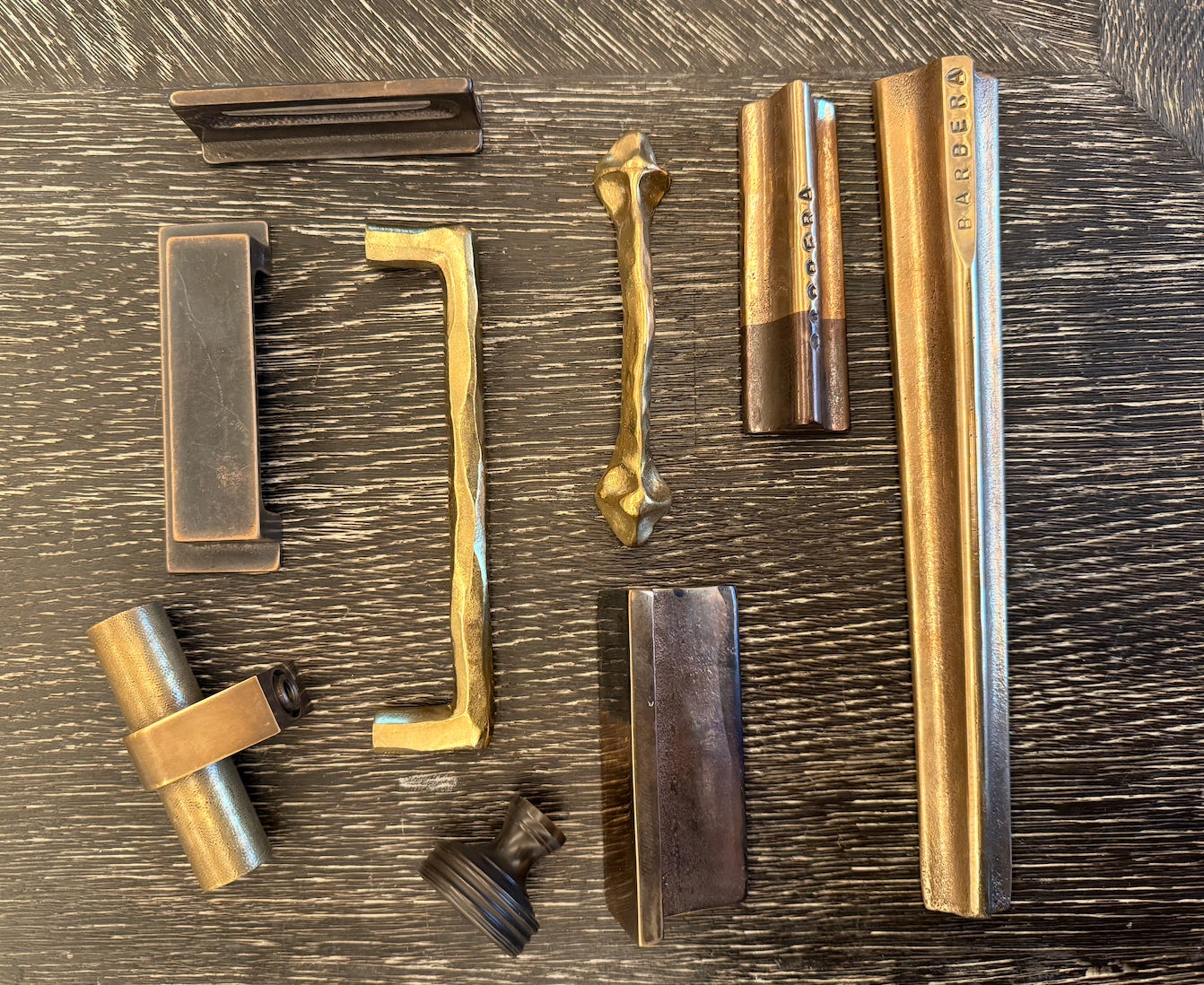
Touch is the first test for hardware… before you let your eye make the call. How does the weight register? What does the material mean for this sensation… sleekness in polished nickel, irregularities in cast brass, is it warm or cool? (And, you might even consider the future of touch and how it will change the piece… unlacquered bronze that warms and darkens where touch is etched into the patina.)
None of this is on a spec sheet, but it’s critical to outcome.
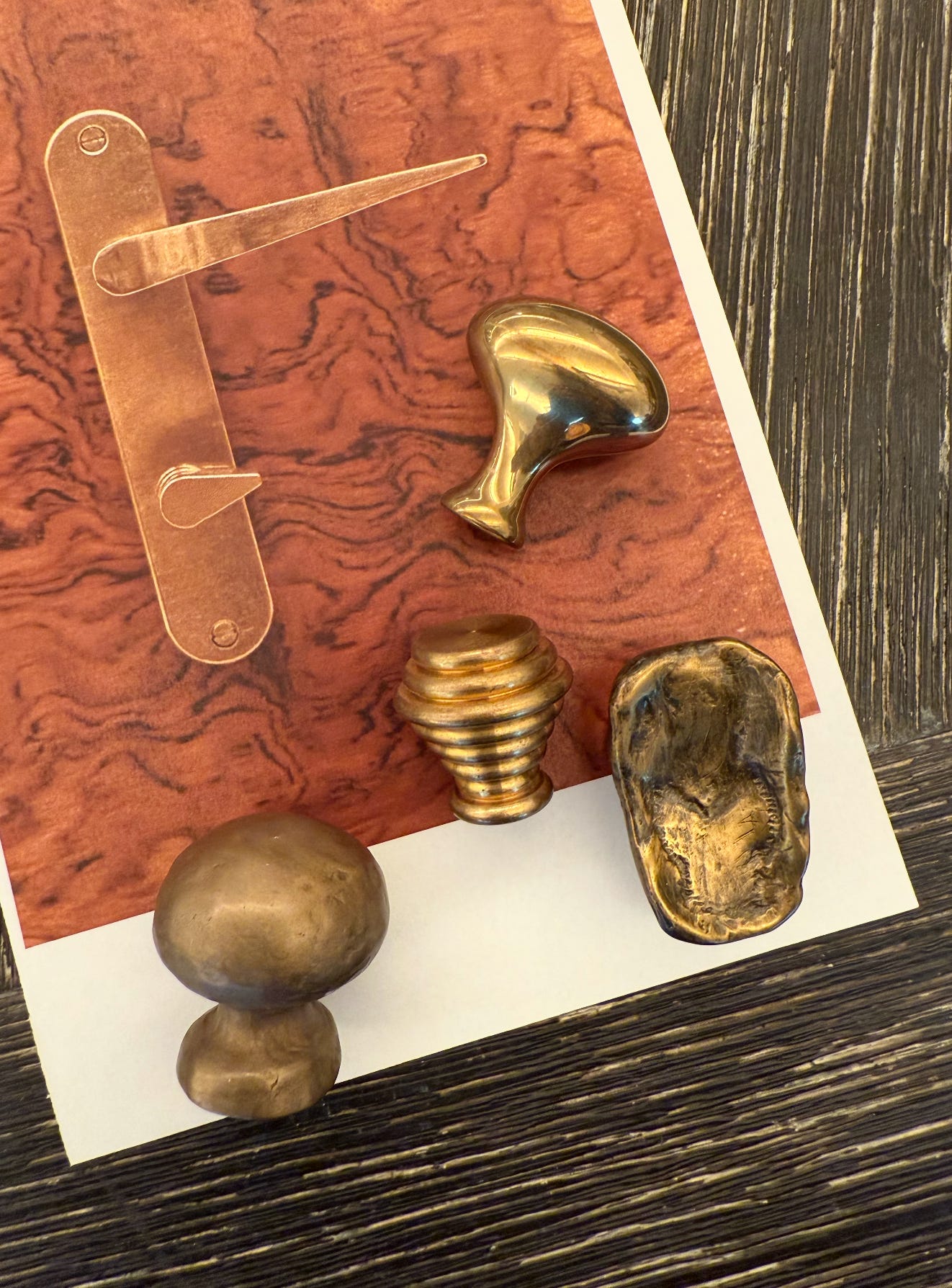
QUICK ADVICE
Hardware, for me, is really a crucial investment… you really don’t want to finish a project and have that thing you probably touch most in it to be a complete letdown. So, set aside some time for a lot of research (a little help with that below, of course), and also keep in mind a couple rules I have:
1. METAL MASH
The question I get most: can you mix metals? The answer is universally: Yes. (The texture of the metal, also, can have its own nuance.)
Should the handles and knobs in one room match? No.
The moment it all matches is the moment the room goes flat… the friction is the point. Match the mood, not the metal. For example: if you consider the weight of a finish, polished chrome feels light and delicate, whereas bronze feels heavy and masculine, heavy-handed.
Mixing can create an interesting tension… but of course, if you want something minimal and super streamlined, you can choose examples that are very pared-down and architectural.
2. MAKE THEM FRIENDS
It is never just the pulls.
A light switch, a door stop, the hook behind a door: these are all friends of one another.
People obsess over the cabinet hardware and forget the switch plate, then wonder why the room feels unfinished. Consider them as a family. They carry the vibe and the story of a room together, or they undercut it together.
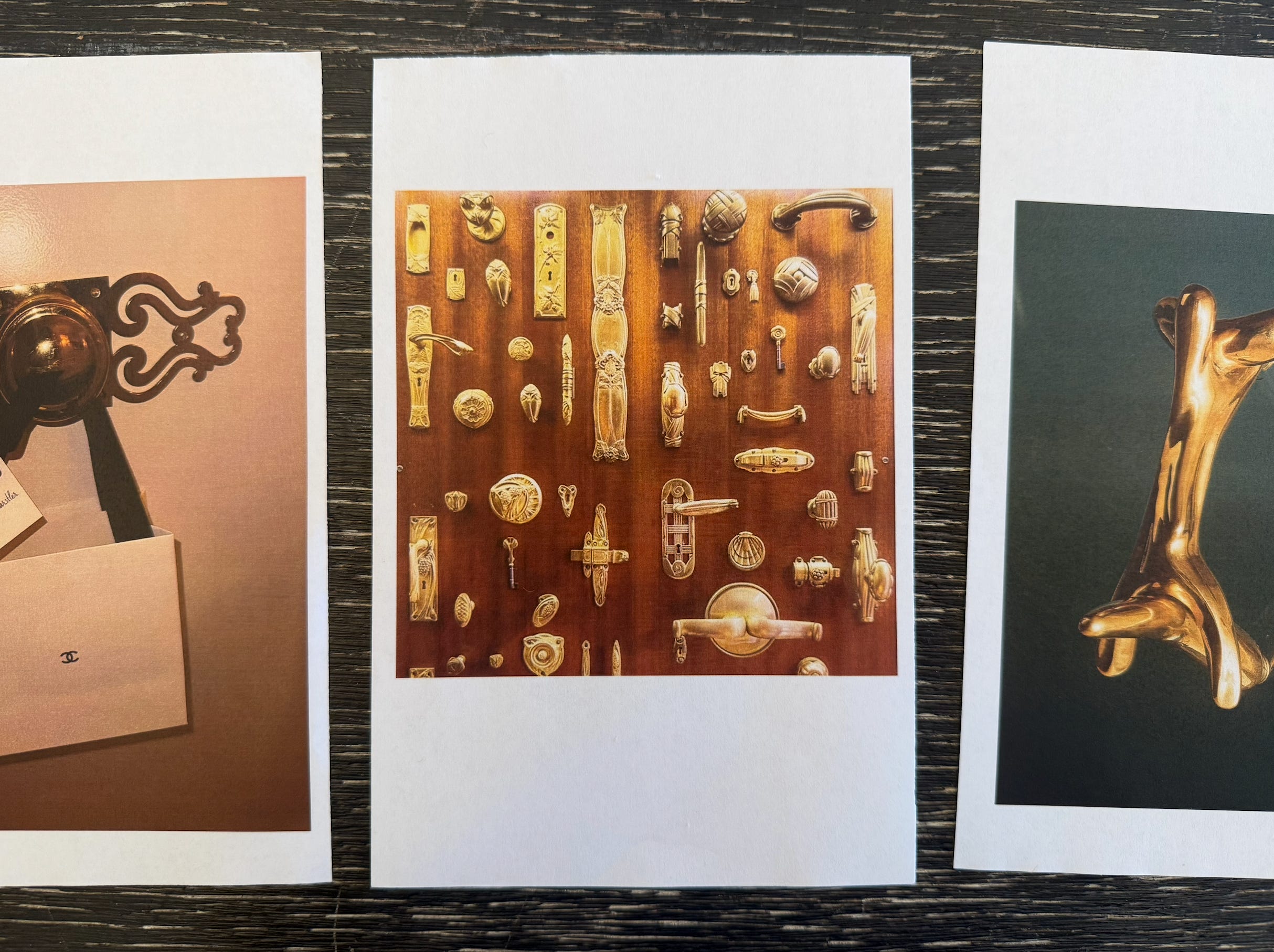
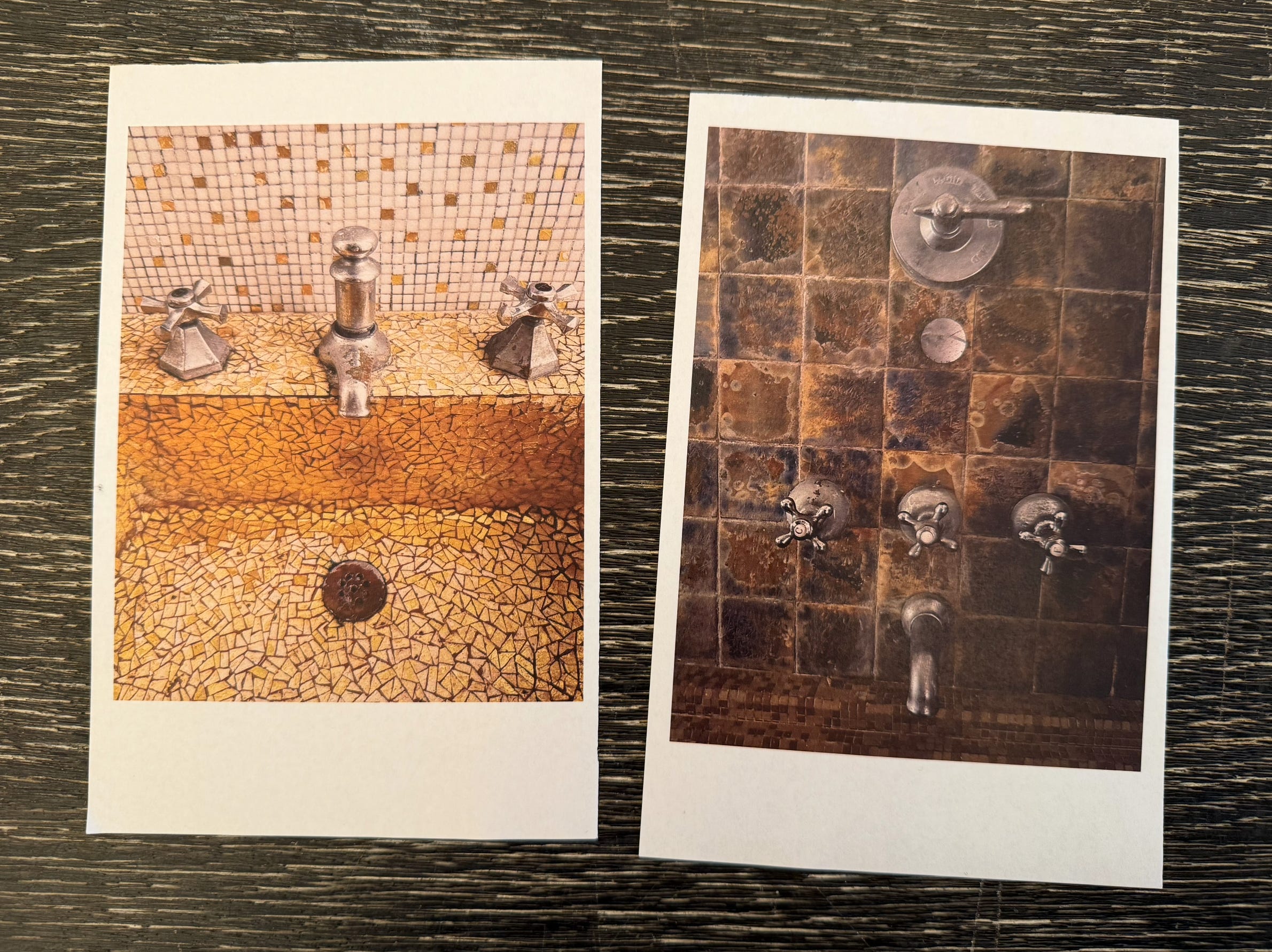
SOURCES
RENAISSANCE DESIGN STUDIO… The hardware pilgrimage destination in LA. One of the most comprehensive collections of architectural hardware anywhere, plus deep spec knowledge from a team that has been at it for decades
CARTER HARDWARE… Three generations of Carter family hardware, based in Beverly Hills. It’s become a go-to in LA, with serious custom capabilities and serious institutional knowledge
BANKSTON… High on the list of what I’m considering for Malibu, it’s an Australian brand that collaborates with small architecture practices (YSG, Edition Office, Brooklyn’s CIVILIAN) to make hardware in timber, marble, and bronze that feels more like sculpture than spec
ROCKY MOUNTAIN HARDWARE… Hand-cast solid bronze, made in Idaho since 1994… the kind of hardware that develops more character the longer it lives in a space
JOSEPH GILES… A British maker of solid brass architectural hardware, designed and made in the UK
SÉRIE RARE… A Parisian atelier tucked into the arches of the Viaduc des Arts on Avenue Daumesnil… designer Daniel Podva works entirely in bronze
P.E. GUERIN… The oldest decorative hardware firm in the US, in the same Greenwich Village foundry since 1892… the only foundry in New York City
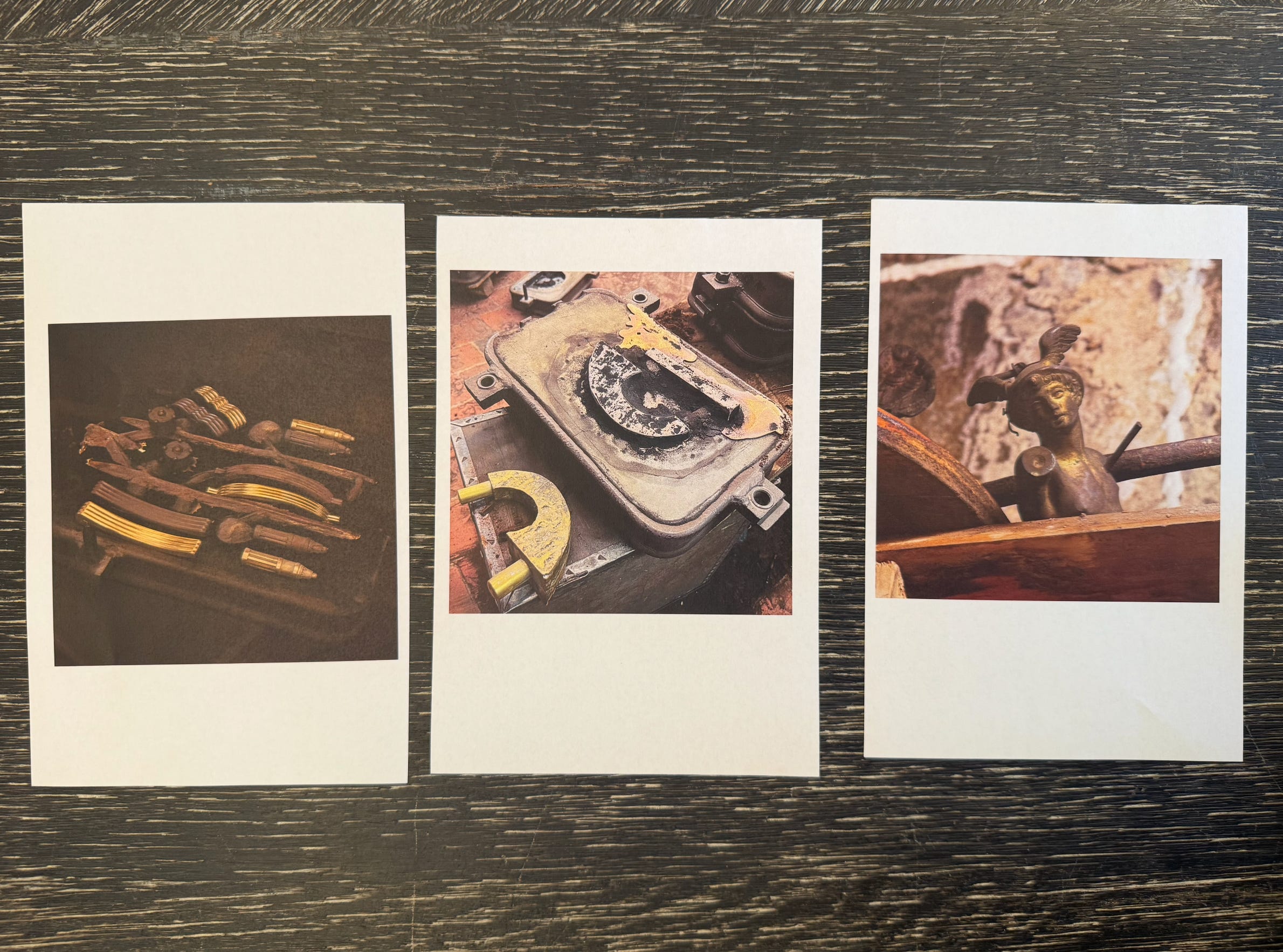
IZÉ… A London-based studio that has made handles with Zaha Hadid, Kenneth Grange and 6a Architects, and also reproduces classics by Lina Bo Bardi and Le Corbusier
HENRY WILSON… Sydney-based studio doing hardware, lighting, and objects. He’s the designer behind Aesop’s chic brass oil burner, which he took five years to get right. That kind of attention to detail tracks across everything he makes
SHERLE WAGNER… Founded in 1945, still making luxury bath and door hardware in their own Massachusetts factory using time-honored techniques
NANZ… Another New York headquartered brand, with a 50,000 sq ft Long Island factory. Over 3,000 pieces spanning historic and contemporary
MI & GEI… Paris-based boutique studio making sculptural solid brass hardware in a range of living patinas. Lots of unexpected shapes, the kind you won’t find anywhere else
PETRA HARDWARE… A really great first-stop to find smartly selected hardware across a range of price points, and a range of excellent designers… lots which are small-batch and artists designed.
BARBERA… Melbourne studio founded by Daniel Barbera in 2004. Heirloom bronze, stone, marble, leather. Everything is made to develop a patina and last forever, which is exactly the right philosophy for hardware
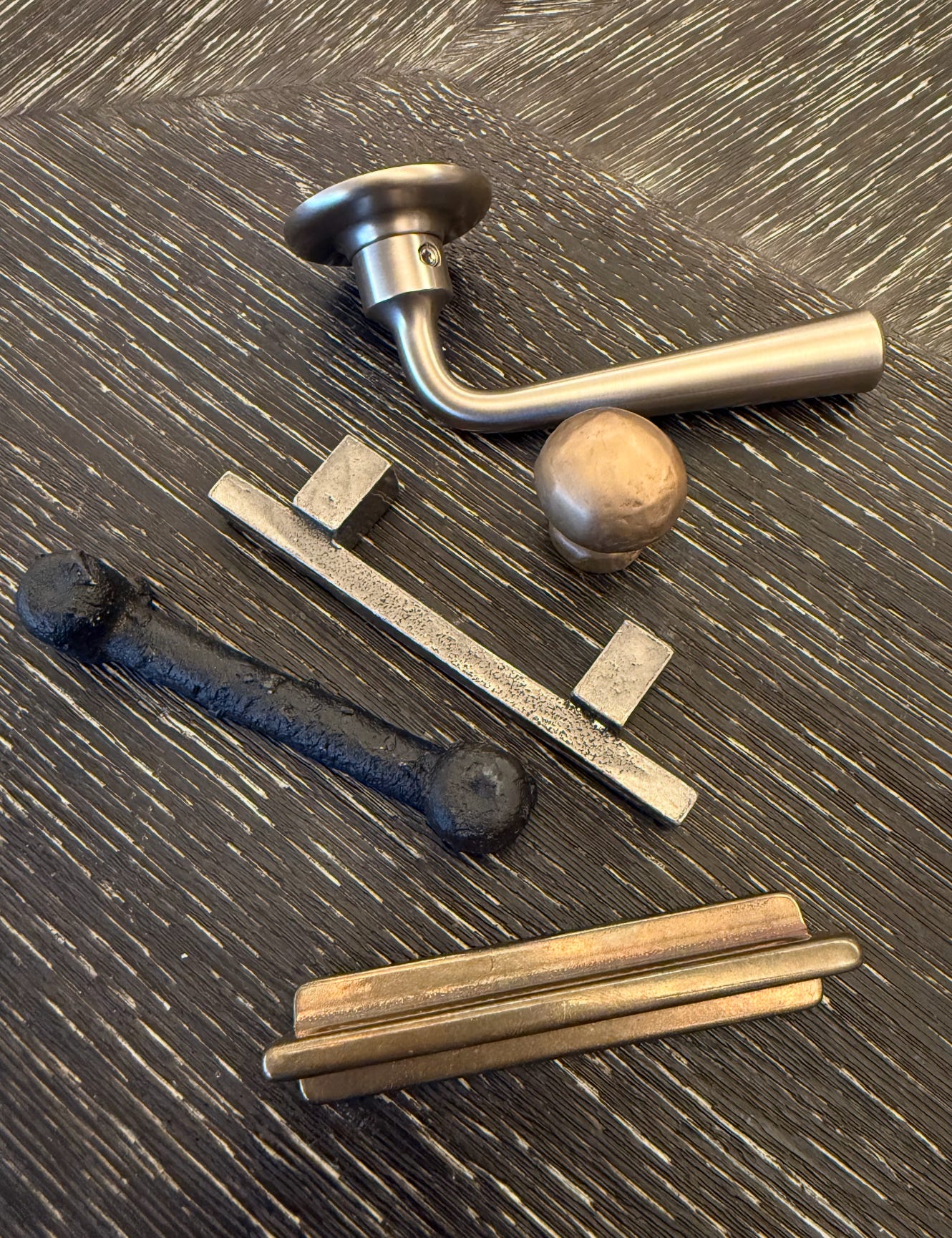
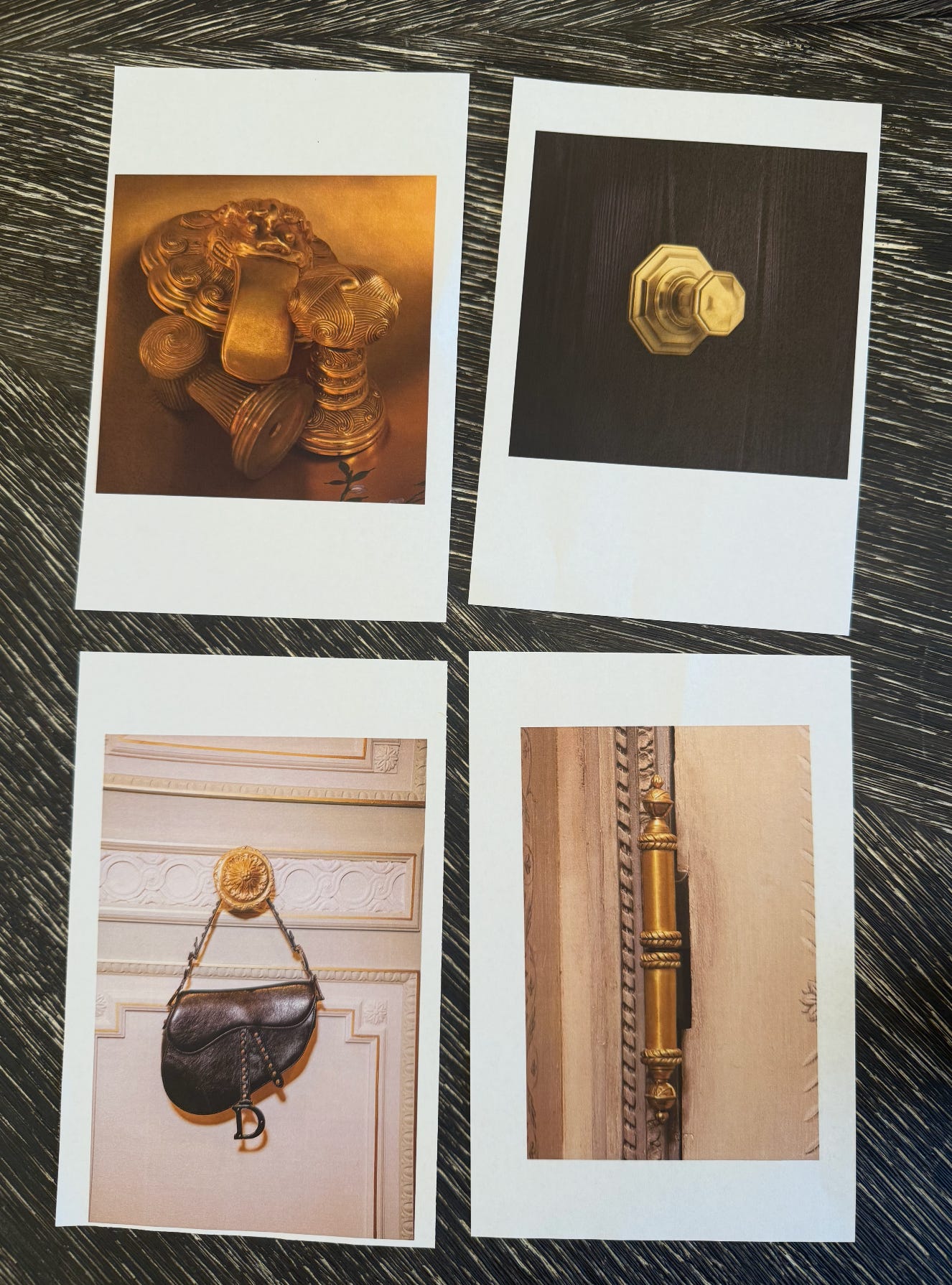
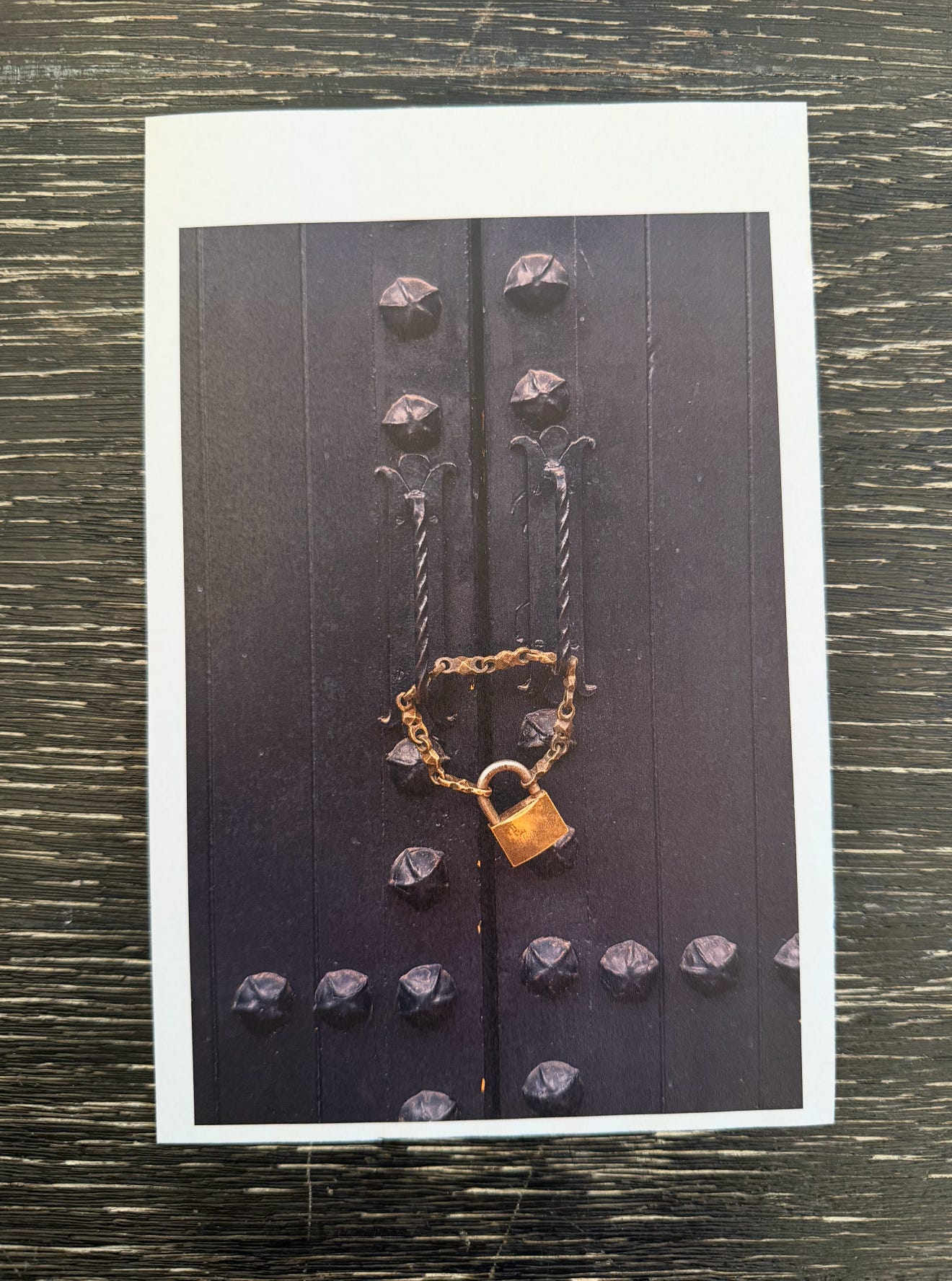
The bottom line is this: hardware can’t be a “finishing touch”, it has to be a part of the vibe and the vision from the very start. They may be small things, but they pack a huge punch, and often it’s how a room really comes alive… super expressive, sculptural, tension-creating pieces that also make a space feel detailed, complete, and personal.
I would love to know brands you’re looking to, and what you’ve discovered… Let me know in the comments.
xo

Beautifully said. I’ve always believed hardware is the jewelry of the home—or commercial space, that add emotion and soul. Not just the finishing touch, but part of its personality, story and history. Talismans, that withstand time. That belief inspired ORYN Objects, an extension of my jewelry and interior design practice, I’ve created in collaboration with Klaus Rappensperger of Schnitzkräft metal artistry. We create each piece into something sculptural and deeply personal.
Would be honored for you to take a look. This is just the beginning.
@orynobjects
@padevavra
@schnitzkraft
Love this local arch salvage place in the Hudson Valley, Zaborski Emporium. They have everything. But my dream is to make custom knobs and pulls in eco resin and paint for a teak desk my grandfather built by hand 😎