FRANK-LY SPEAKING: WE NEED TO THINK ABOUT SENTIMENTALITY
Why thinking about sentimental objects is one of the most important questions in design
Wearstlerworld,
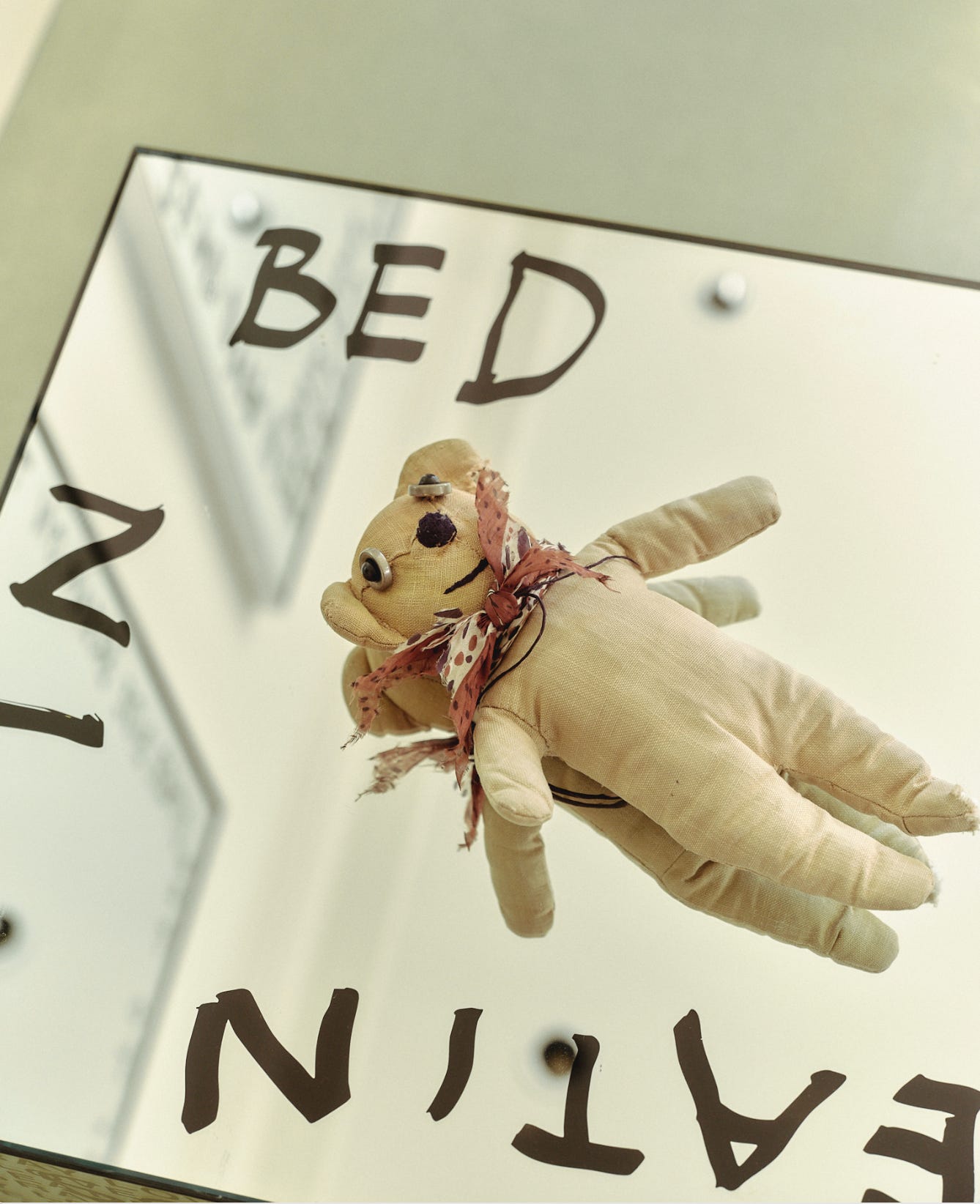
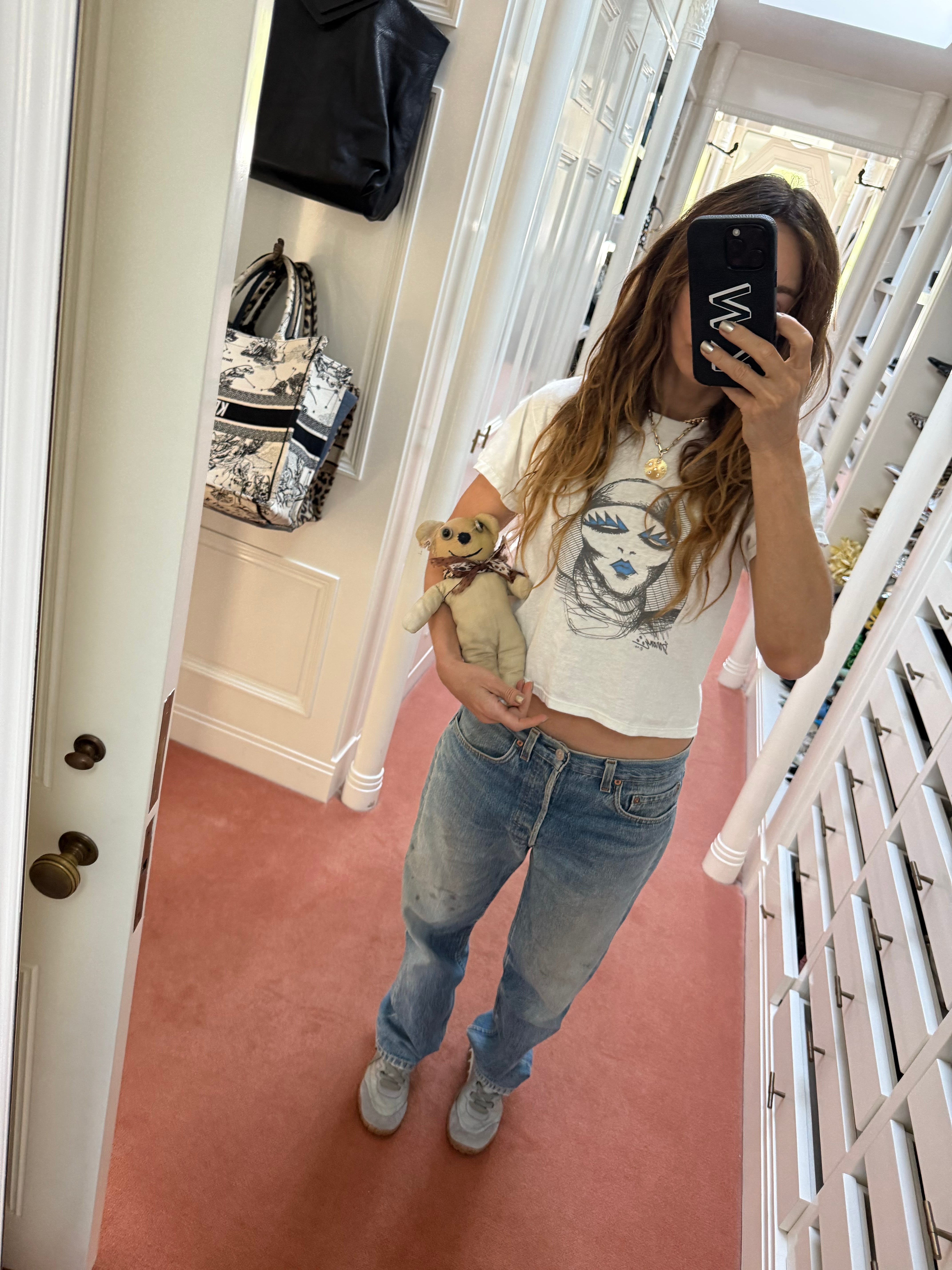
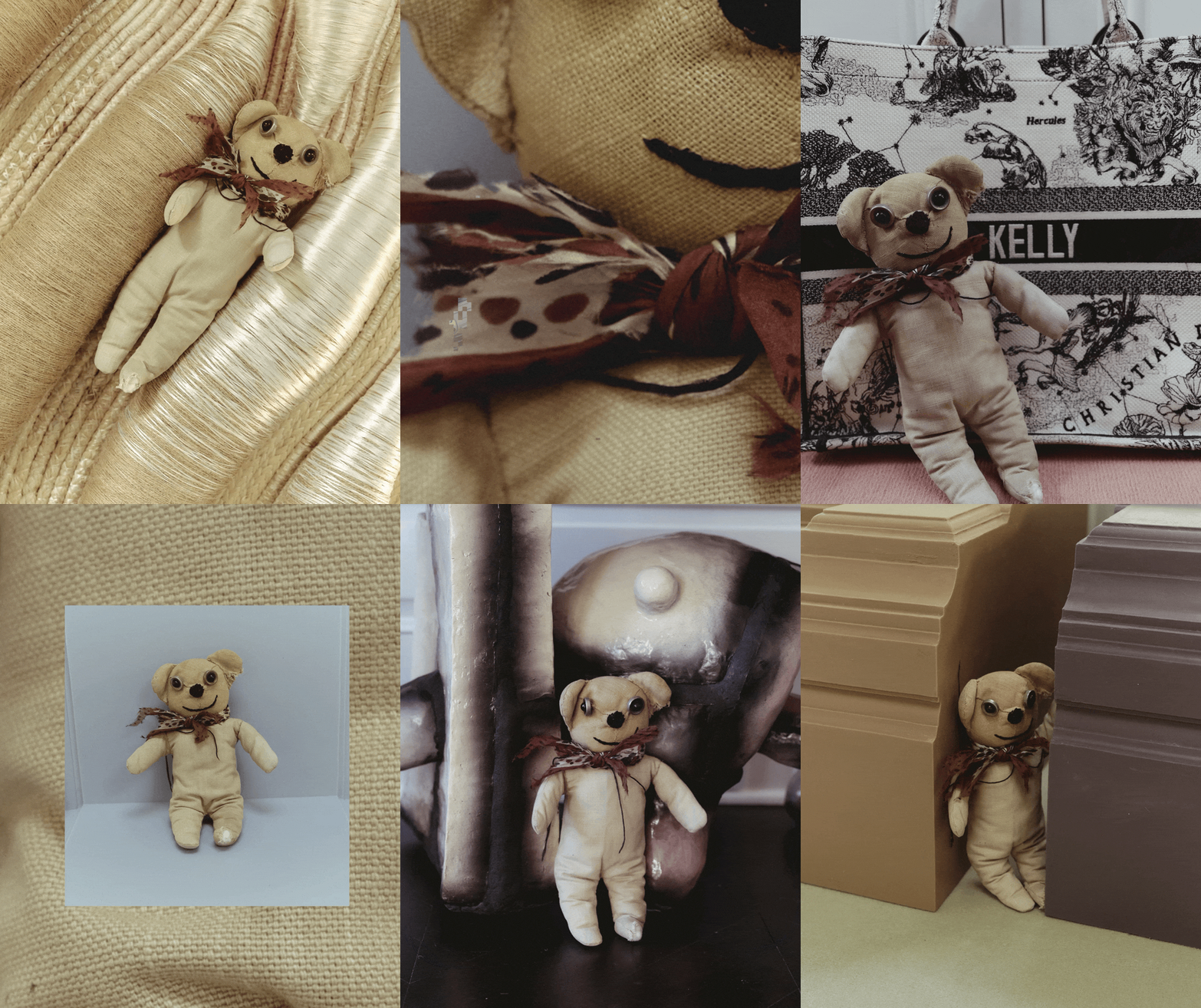
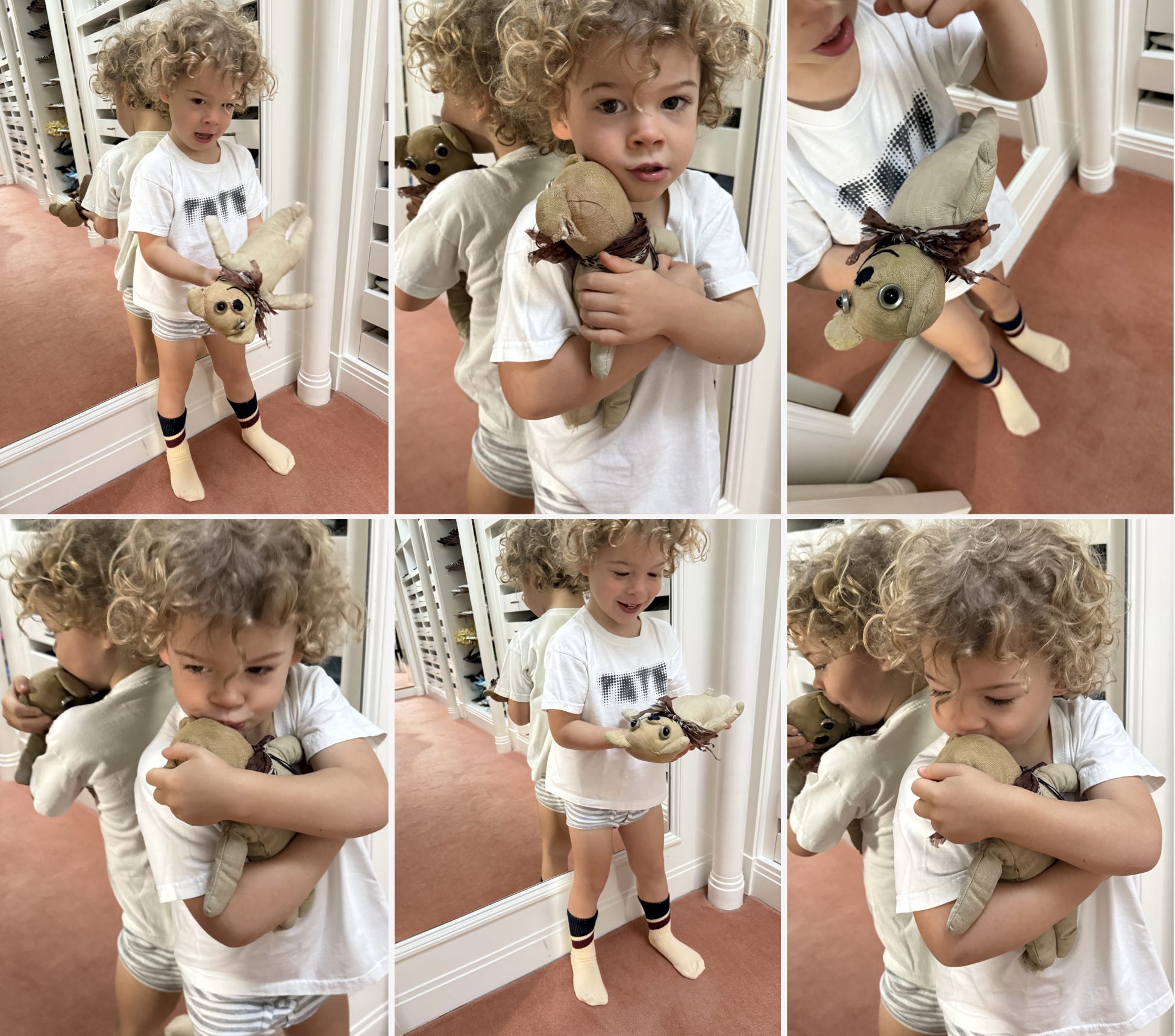
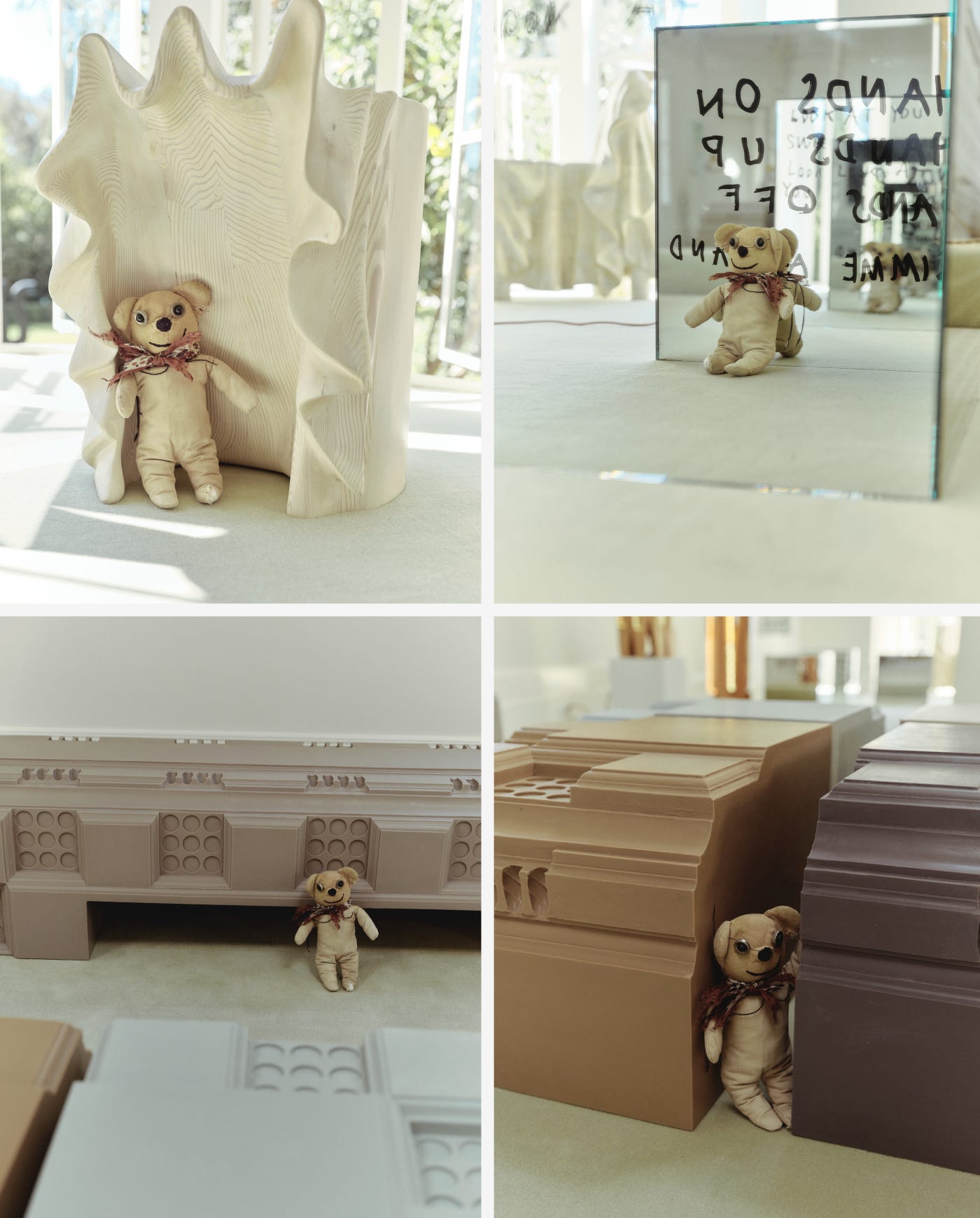
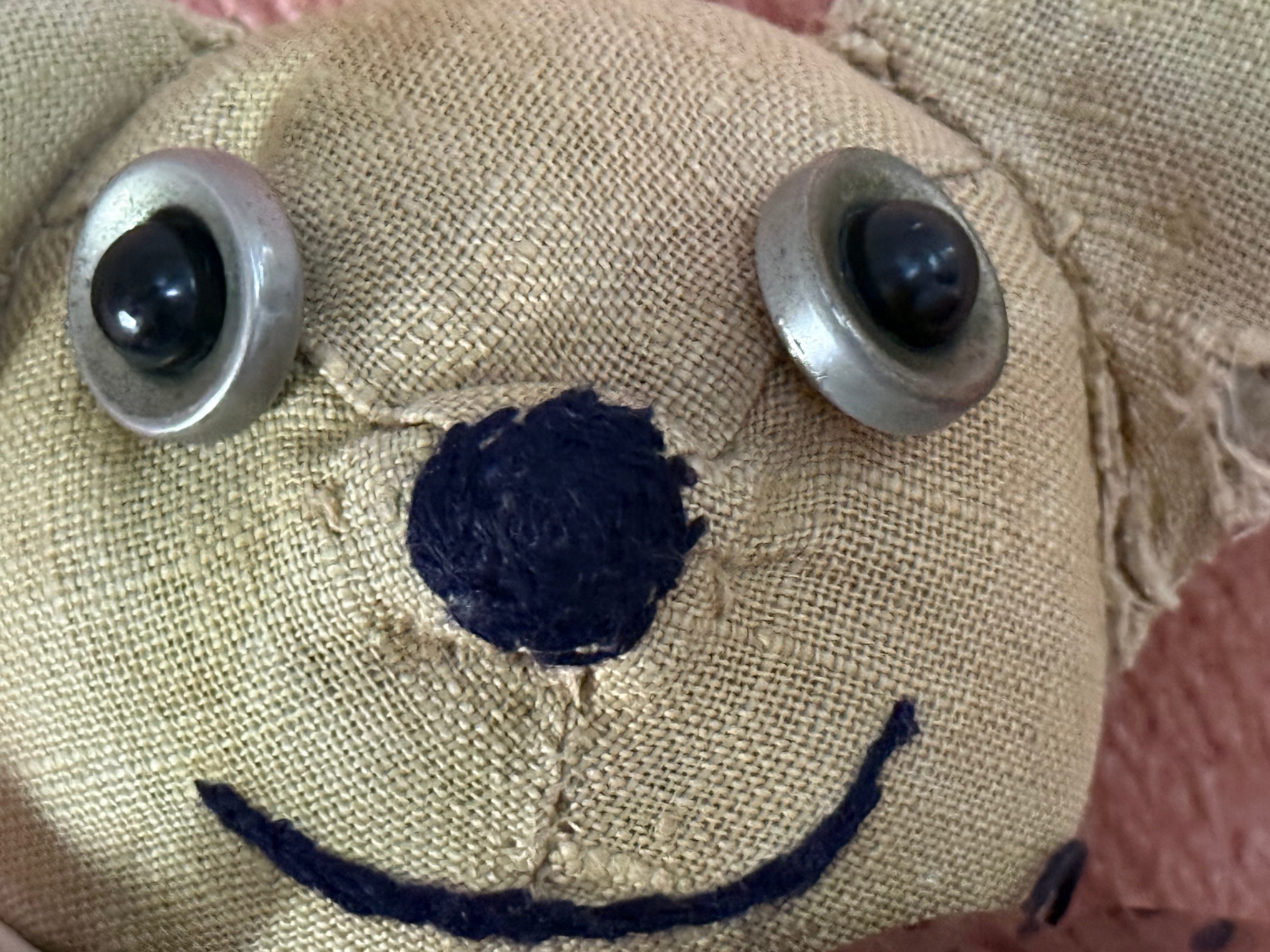
Ok, meet Frank. He’s really a key to a lot of my design thinking, and I want to explain how.
He was my grandmother’s, then my mother’s and now mine. When his eyes sort of fell off when I was little, we replaced them with the buttons from my grandfather’s navy coat. At one point, he was re-skinned in oatmeal linen. And, all my boys have snuggled with him, too – even Crosby now, though I have to keep Frank a little safe. He’s more than a stuffed animal by now – and he’s kind of a celebrity; he’s been in The Times (UK) and The New York Times, and he’s had his portrait taken quite a lot.
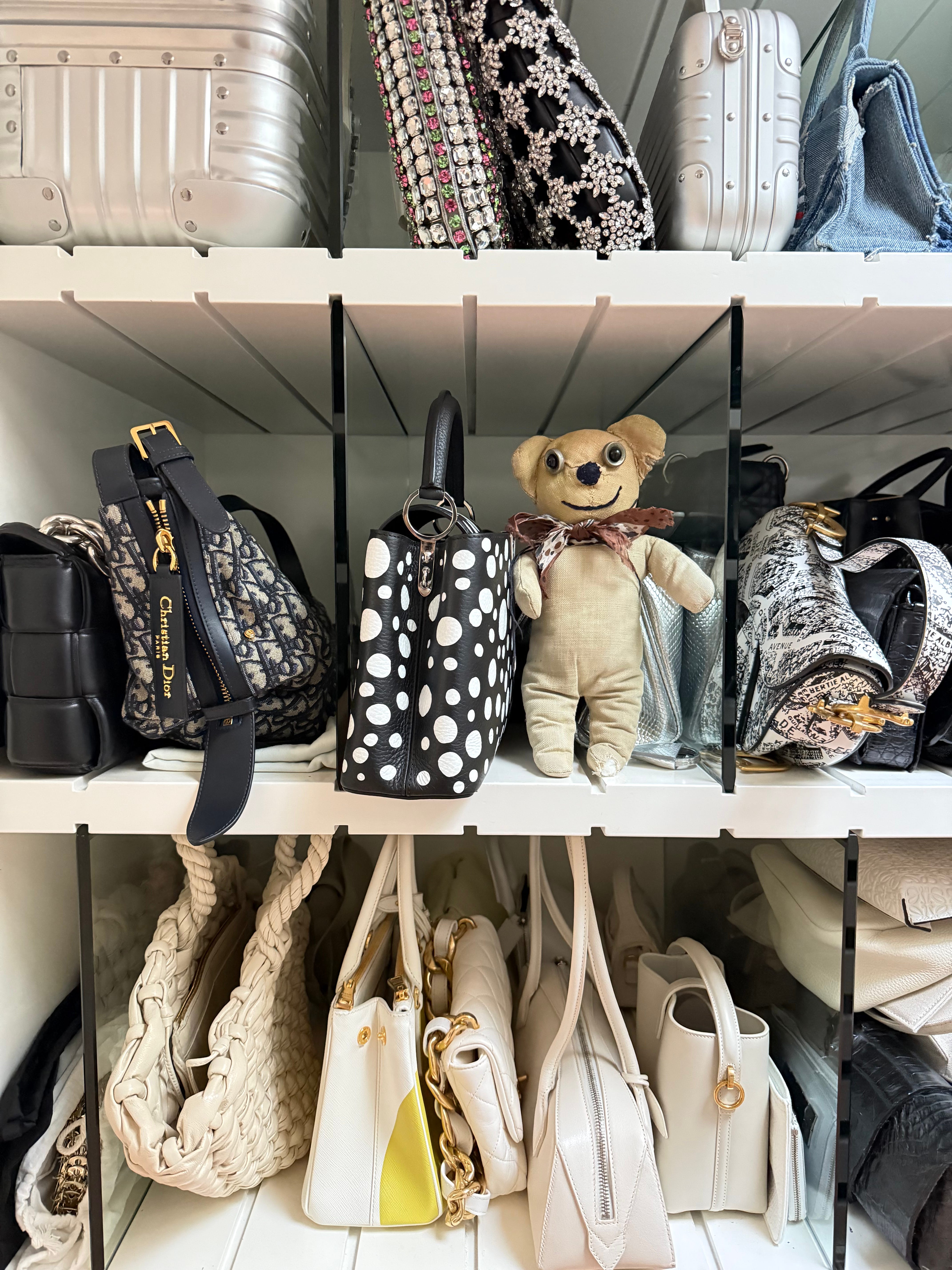
I absolutely never, ever travel without him – he’s also definitely never in checked luggage, always in my black Rimowa carry-on.
He’s good luck to me. And he is, of course, jacked full of Sentimentality. And, a total touchstone for my design. Something I only really started to think about recently, when I was in Paris and someone noticed him in my hotel room at Le Bristol and was sort of surprised.
But, then, sitting Frank out on a chair in a hotel room instantly transformed that space – from something that could have been assigned to any guest, to a space that felt like it totally belonged to me.
And, in most design projects it’s probably not a teddy bear – but it’s the most important question: what object could change a room, for a client, from “Anyone’s” to “Mine”?
SENTIMENTAL MATERIAL
Some element of the sentimental gives any space an automatic edge: objects or details that contribute an insane depth of emotion and character. And, integrating these sort of things – family heirlooms, treasured artworks – is one of the best parts of design work. Almost especially if they seem out of step, in some way, with what surrounds them. That’s a great sort of tension.
And it shows up in all shapes and sizes, and can really manifest materially: in a beautiful patina and in wear (I wrote about working with patina here), or in celebrating the look of “the collected”.
But I think one key is to not let it simply just sit as if stuck in the past, as if some sort of museum object. One simple way is to put it into conversation with other objects that are maybe a counterbalance – maybe it’s something digital or ephemeral.
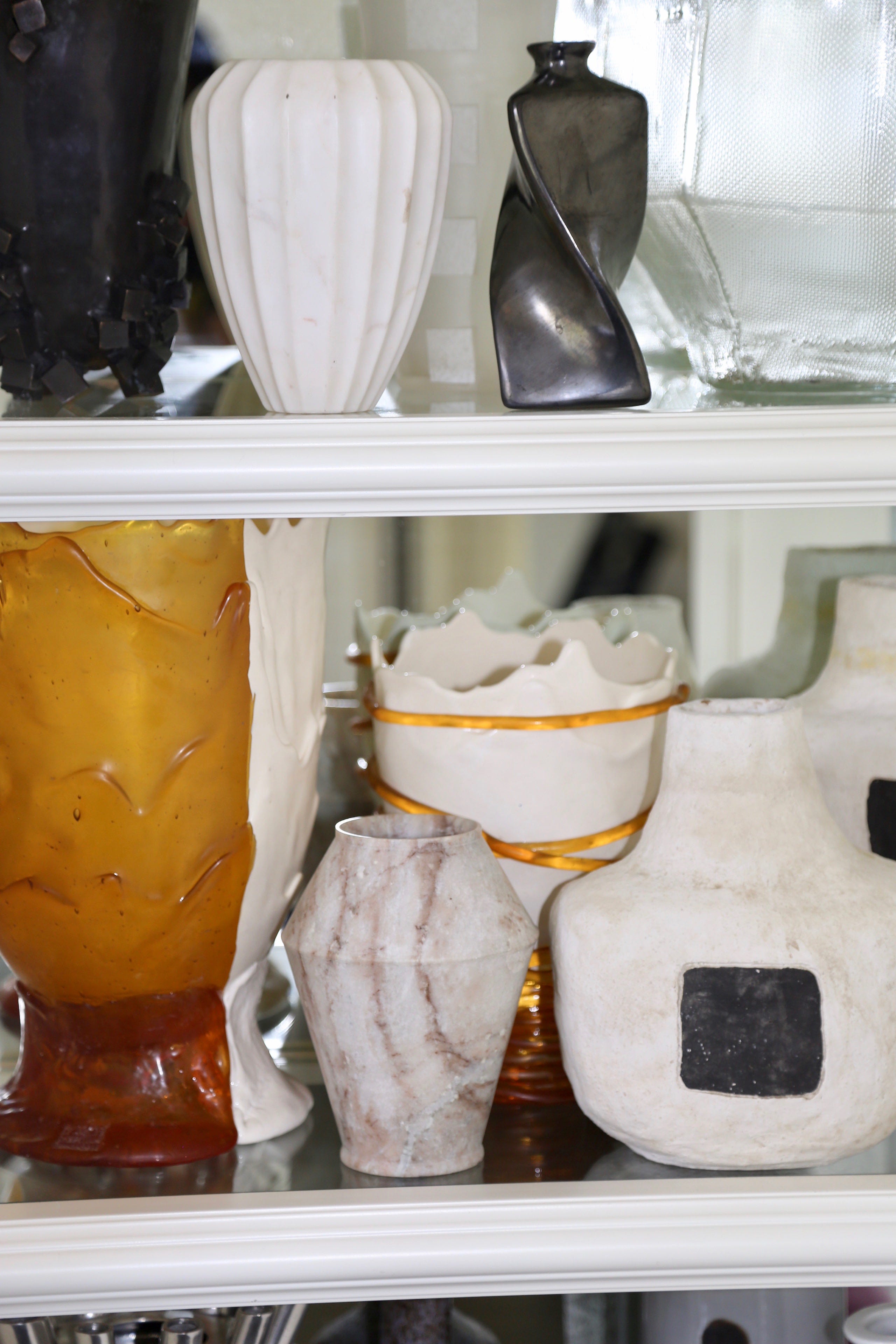
One of my collections, for example, is of vases – ones I’ve purchased from favorite cities during significant trips, and all mean a lot to me and certainly together they tell an incredible story.
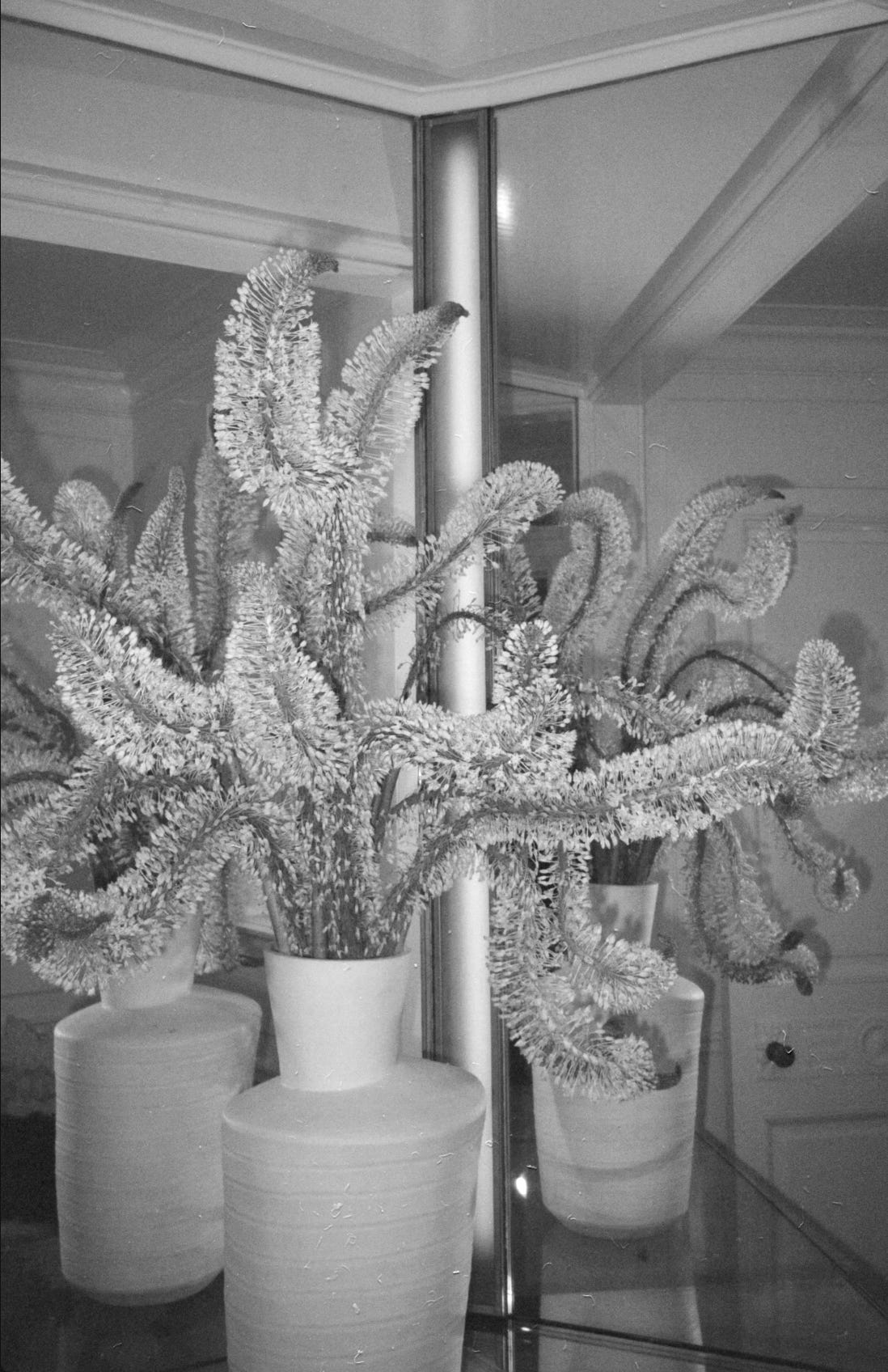
But, I like to combine them – some which are quite traditional, classic forms – and to pair them with really bold, modern arrangements of flowers. It’s also a great tension between the permanent and the ephemeral.
Some of my favorite design stories are found in creative partnerships, and the objects we collect that can tie a thread between someone else’s ideas and inspirations and our own.
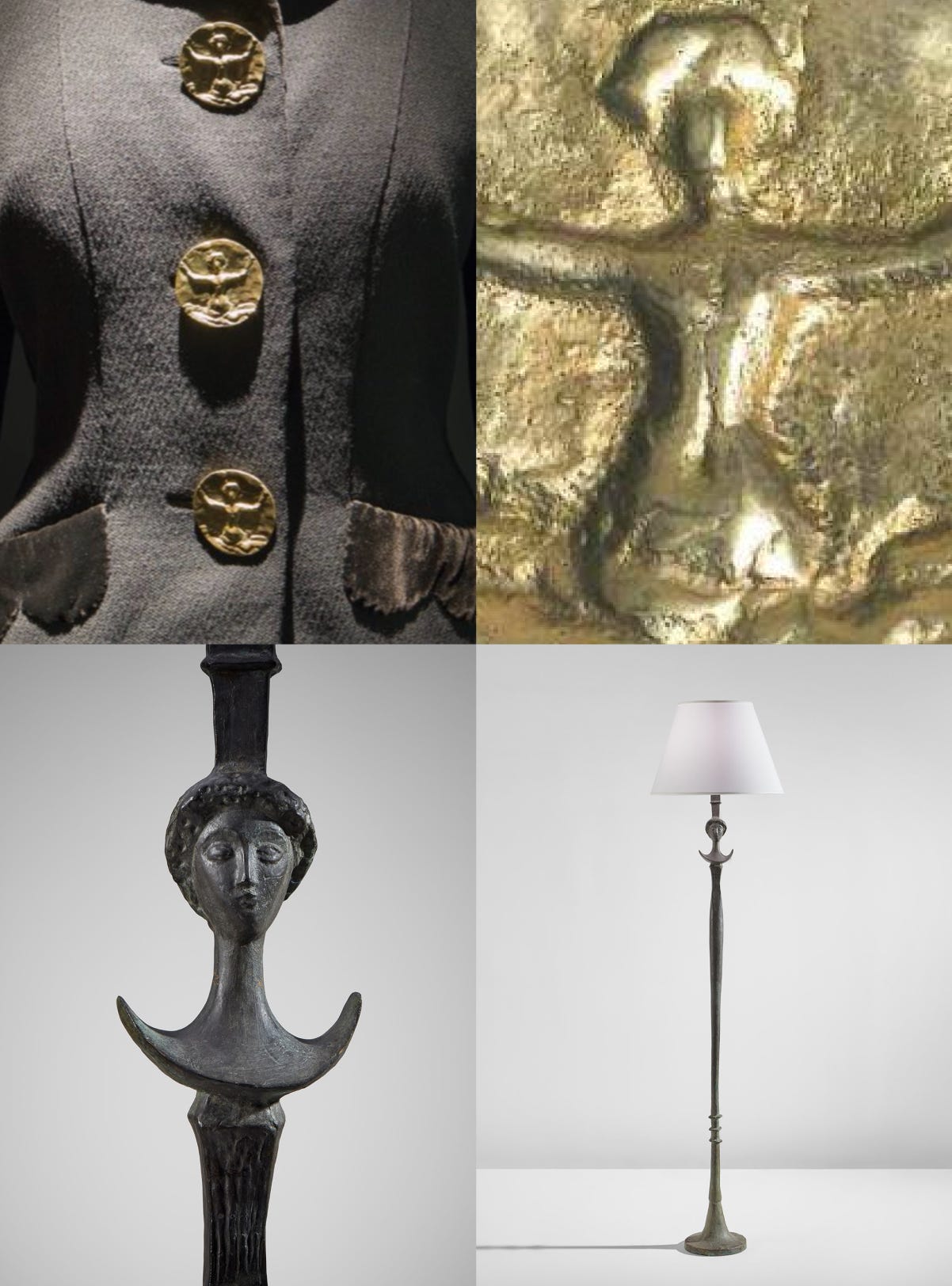
Like Elsa Schiaparelli’s desk in Paris, where designer Jean-Michel Frank (who’d done her showroom on the Place Vendôme) had placed two white plaster candlesticks (like these) by Alberto Giacometti, the sculptor. They weren’t there as just an aesthetic add-on, or even just for function: Alberto was a friend and collaborator of Elsa’s. There was a deeper reason for them to be there, an emotional one; and they became a staple of her workspace.
And, it gets to a point:
Sentimentality is way too often dismissed as “soft”. To me, it’s not.
Sentimentality is not just about sweet, comforting nostalgia or remembrance. Elsa and Alberto’s collaborations were a total force! – in the 1930s he created jewelry for her, and these amazing buttons, which I sort of want for today.
Alberto Giacometti “Figure” floor lamp
I like to imagine Elsa looked at those candlesticks and was motivated, energized, reminded in an instant about the creative world outside her door.
INVITING MY FRIENDS OVER
Another ‘collection’ of my mine, let’s say, is a series of samples and prototypes from artist and designer collaborations I’ve done through my career. Collaborations are incredibly important to me – so these are more that just “work samples”, they are milestones in what always have developed into important friendships and creative exchanges.
So, they aren’t at the studio – they are with me, at home. I keep them close, because they mean so much to me. They are like sculptures, and it’s amazing to live with them.
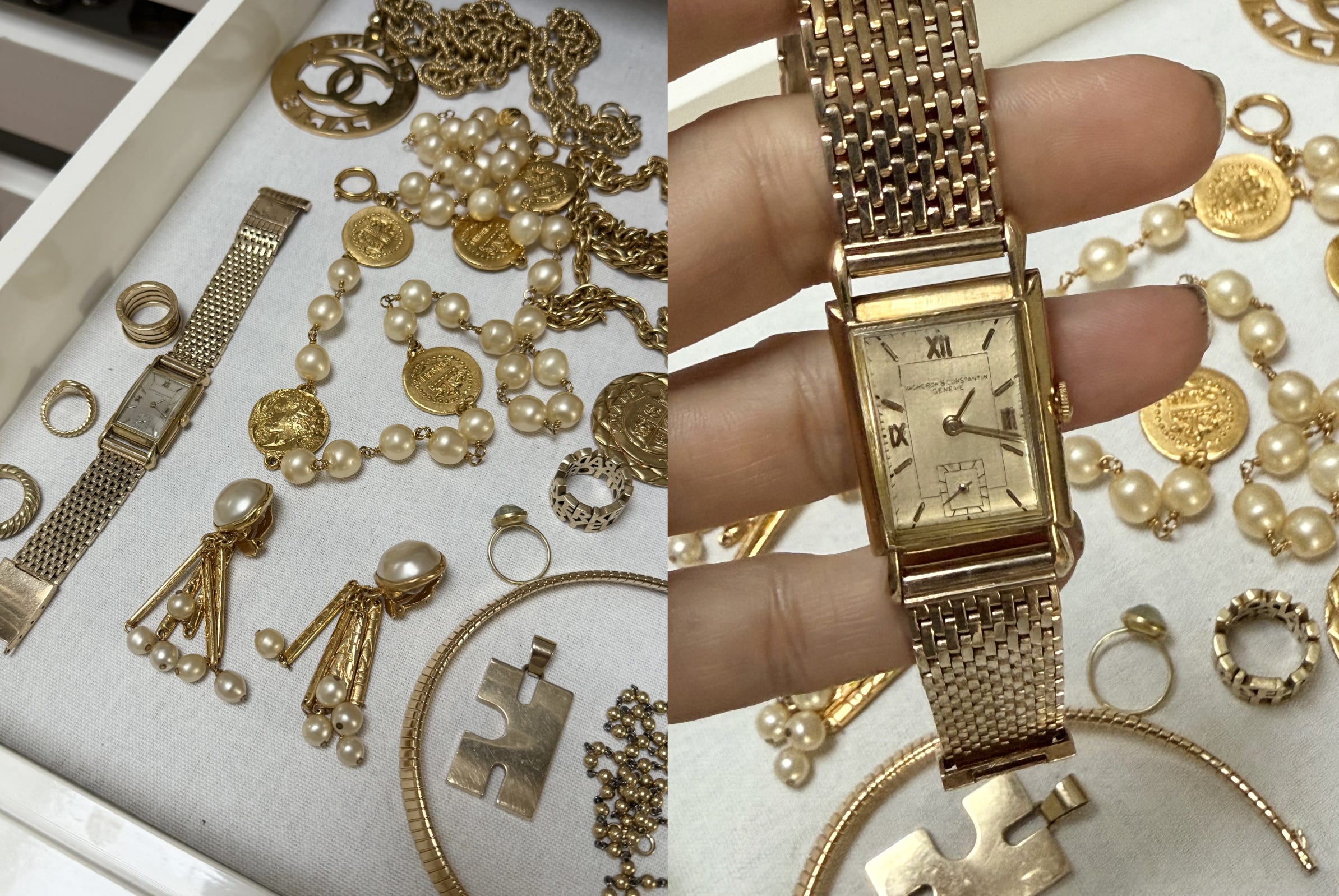
At every turn, sentimentality can play a role – and one that really does have so many dimensions to it. Sometimes in things I wear (like something from my mom’s vintage scarf collection; or a watch first owned by Brad’s grandfather, which was passed on to me).
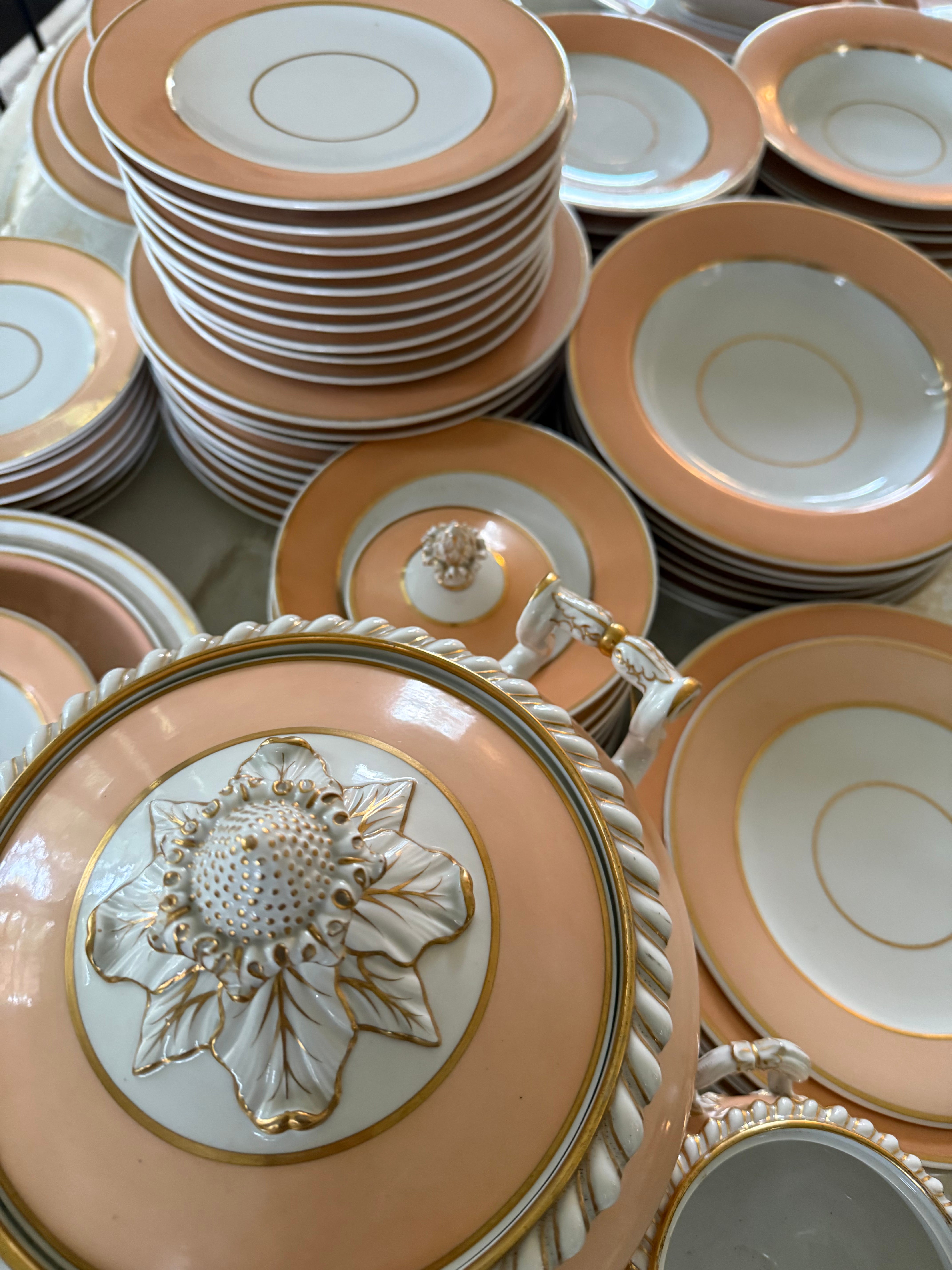
Or, sometimes, it comes out in how a dress a table. Vintage china from my grandmother, and vintage glassware I’ve collected both help to add something extremely personal to a dinner – and, in the process of setting the table, it’s always a flood of memories times they were used, people who’d owned them, places they were found. I think even a guest who doesn’t know the stories could probably still feel them? And, I think it certainly makes them feel as I it’s me that is hosting, that this table is uniquely me.
THIS OLD HOUSE
We also have some incredible china from the Broccoli family, who had owned this house – still with Sotheby’s tags on them!
They were big collectors and when we purchased the house, there were many pieces from their collection that had just never been used. They still had the Sotheby’s tags on some of them said 1966, if I remember correctly, and the tags look kind of tea stained, you know? They weren’t brand new. When we bought the house I asked if we could purchase some of these things, and we ended up selecting these dishes, something we could use and engage with, and I love the storytelling about the history and who lived here once before…
Another house that we had purchased and lived in was once owned by producer/director Ross Hunter - big and notable in the film business in the 50s and 60s, but his side hustle was painting. So, I really focused on acquiring some of his work, and got these two paintings of his. Now, they remind me of the time we had in that home *designed by Hal Levitt a notable architect from the mid-century in Trousdale.)
I love that I was able to capture a piece of these homes’ histories, and blend it with my own story.
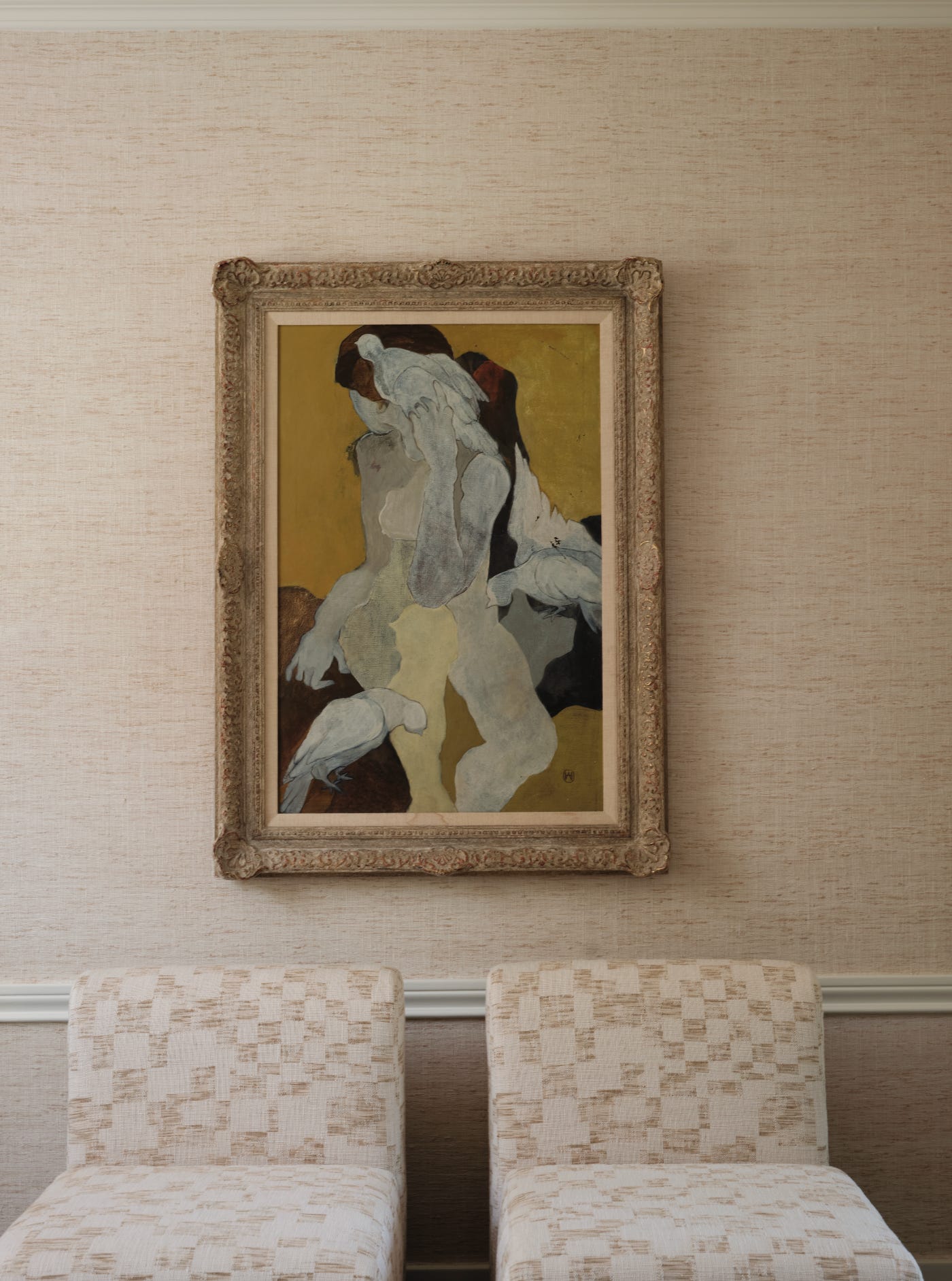
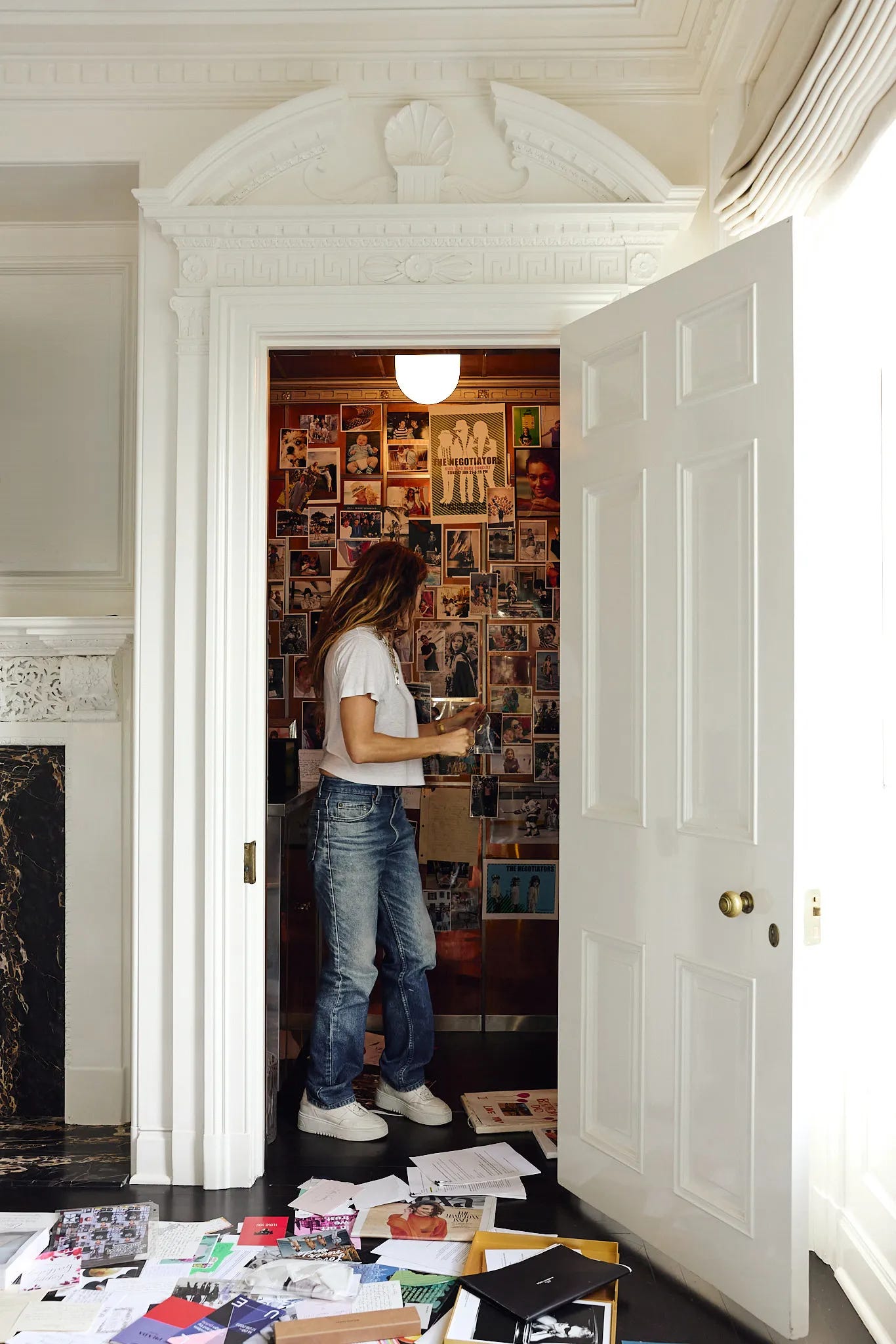
And, of course family homes are about family, and there’s a lot of our story here – the Love Closet, that is a place we store photo albums, and little souvenirs of life. Or, this painting by Ross Hunter, that we bought in our first home after having the boys. It’s now in our guest house, but far from just having ‘found a place for it’, it’s tones and textures really dictated the design of the space around it.
SOUL PROJECTS
Some of my own design work carries with it special meaning to me – the Elliott chair, named after my son; the Tracery rug that was from the first rug collection I design, and is still what I have in my bedroom. Or, even the Avalon Hotel in Beverly Hills – it was the beginning of my career, and the beginning of my relationship with Brad, and it’s a place now with not only a lot of Hollywood History but for me, a lot of personal history.
But, thinking about how to integrate sentimentality into space is actually an extremely important thing to know how to do.
When I start a client project, it’s important to figure out which objects hold sentimental value - because every client has something! And you can’t fight against those things, you have to learn how to celebrate them!
There have been times when a client’s taste in art, for example, has really changed over time, and they have in their collection something that maybe doesn’t fit with their current aesthetic. But, you can’t tuck it away; those pieces are maybe their first purchases, or came into their lives at an important time; you have to find a way to show and explore the evolution.
In one project my studio has done, we put some of these pieces between two home offices, as a reminder to them of where they began, and the first art-loves that brought them together.
THREE TIPS ON SENTIMENTALITY IN DESIGN
Know where. You’ve got to figure out when and where sentimentality makes sense. Some things are very public-ready, and others – like Frank – are mainly private. He isn’t hanging out in the living room; he’s in my closet – a place I start my days, getting dressed. He sits upright, among the handbags.
Give significance In a public or private space, something sentimental should always be given a place of honor – in a beautiful cabinet, lit in an interesting way, on a plinth, or sat in front of a mirror to amplify it.
Keep It Alive
Let sentimental objects evolve with you. Move them, restyle them, reframe them — keep them in circulation so they continue to tell your story, not just preserve it. They should feel like part of the present, not just the past.
Having Frank around makes me feel safe, but also connected – to the women in my family and my grandfather, but also to myself: the dreams and ambitions I had as a child. It’s a huge amount of perspective, and it helps me to be grateful and it helps motive me to always push forward.
But, across the board, what I think sentimental objects do, when done well, is bring the really crucial element of emotion to a space. Real, human, specific emotion – and that’s really an X factor.
I’d really love to hear what you keep around that is sentimental to you - and how you show it. Let me know!



My favorite Substack
I am Ukrainian. Many sentimental historical Ukrainian items in a Donghia ebony curio cabinet. Love clothes and shoes. Love furniture even more.